.png)


Context
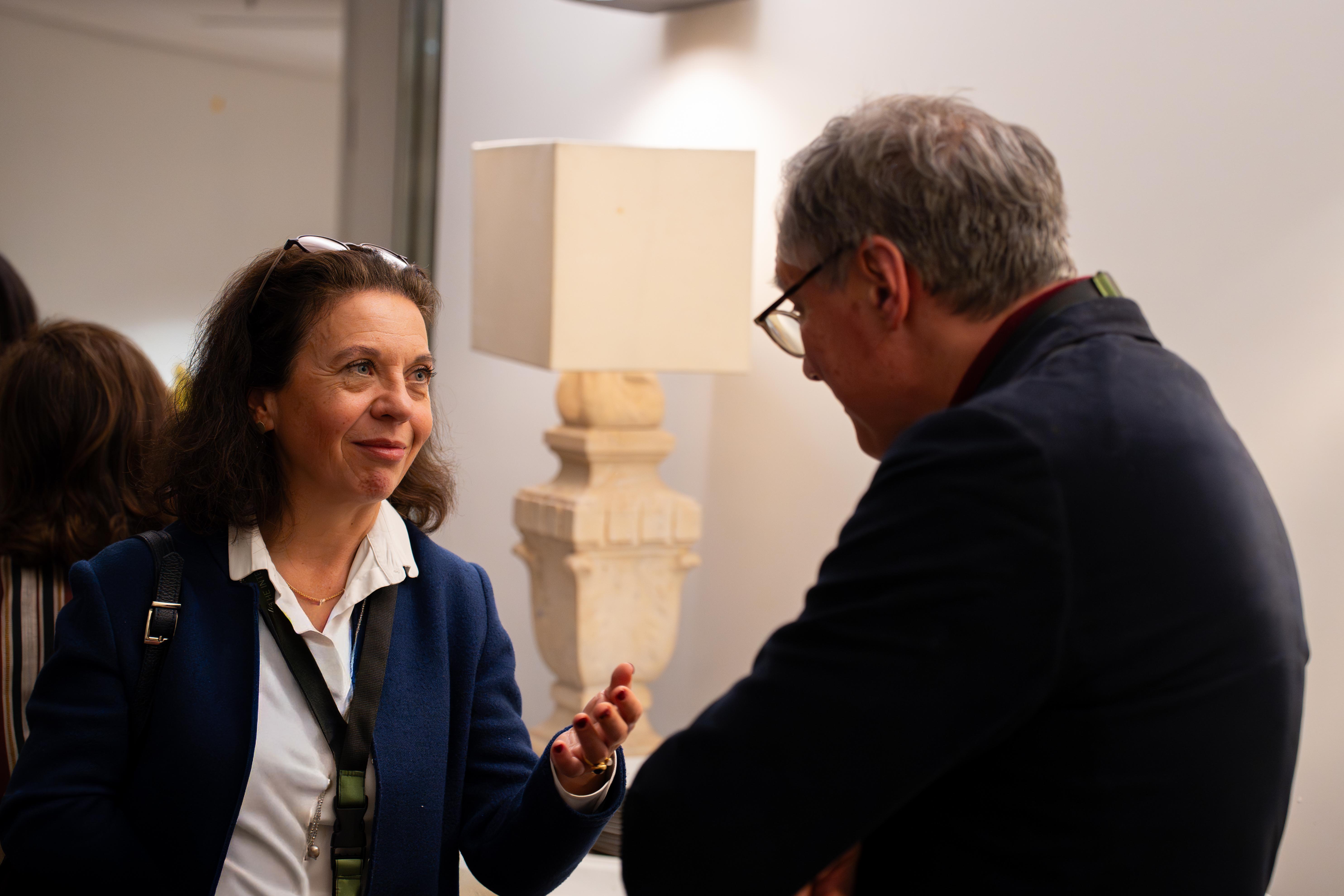
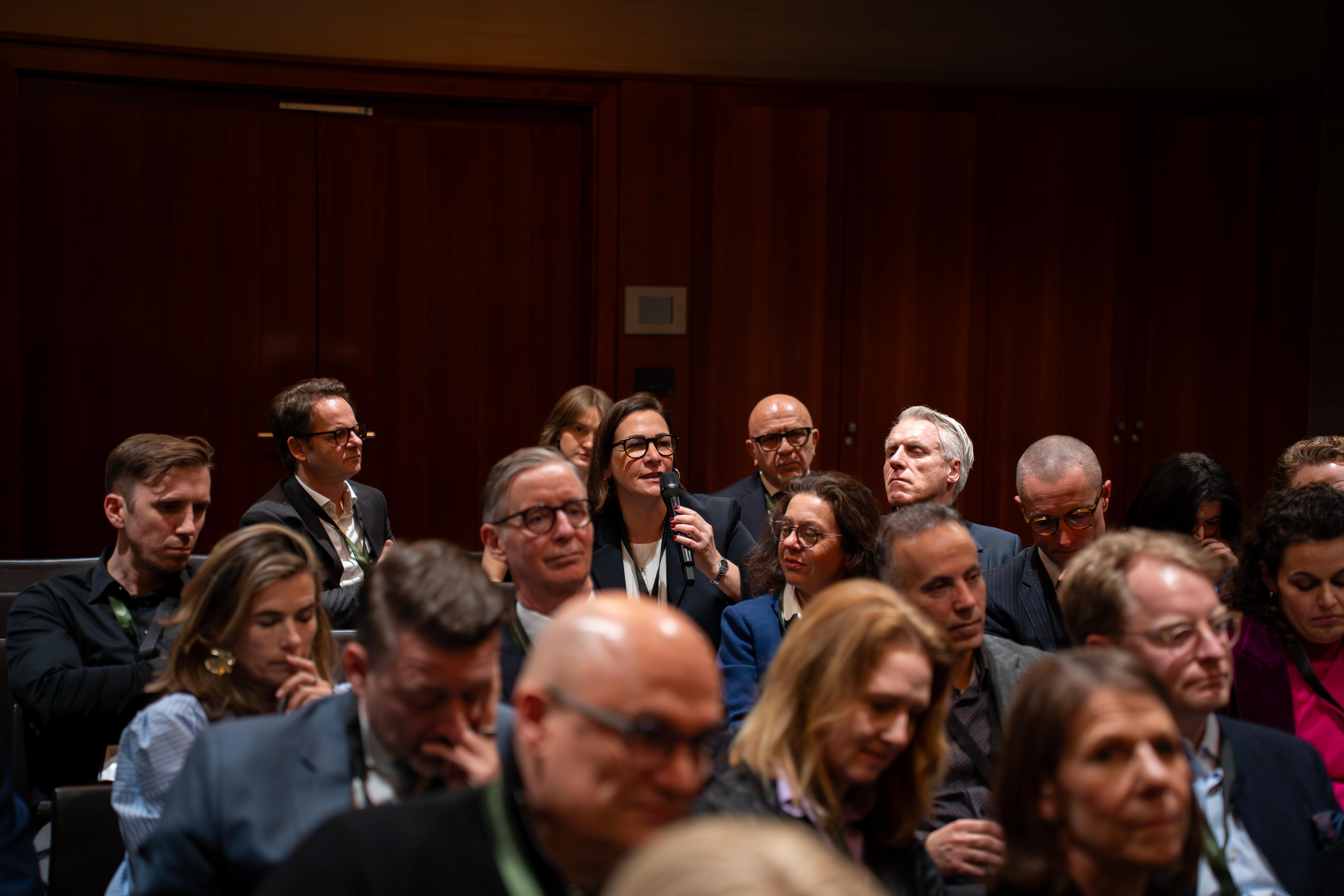
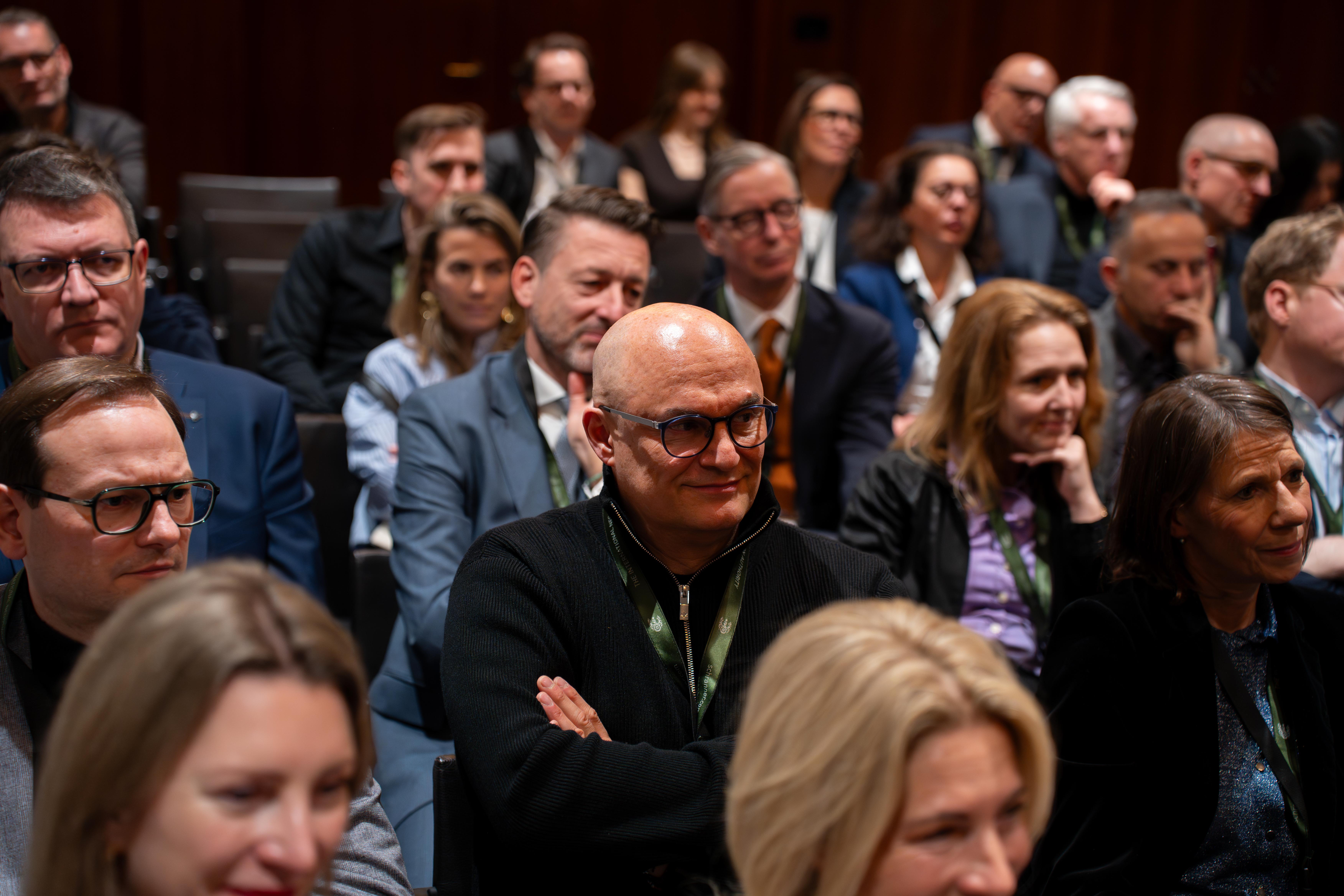
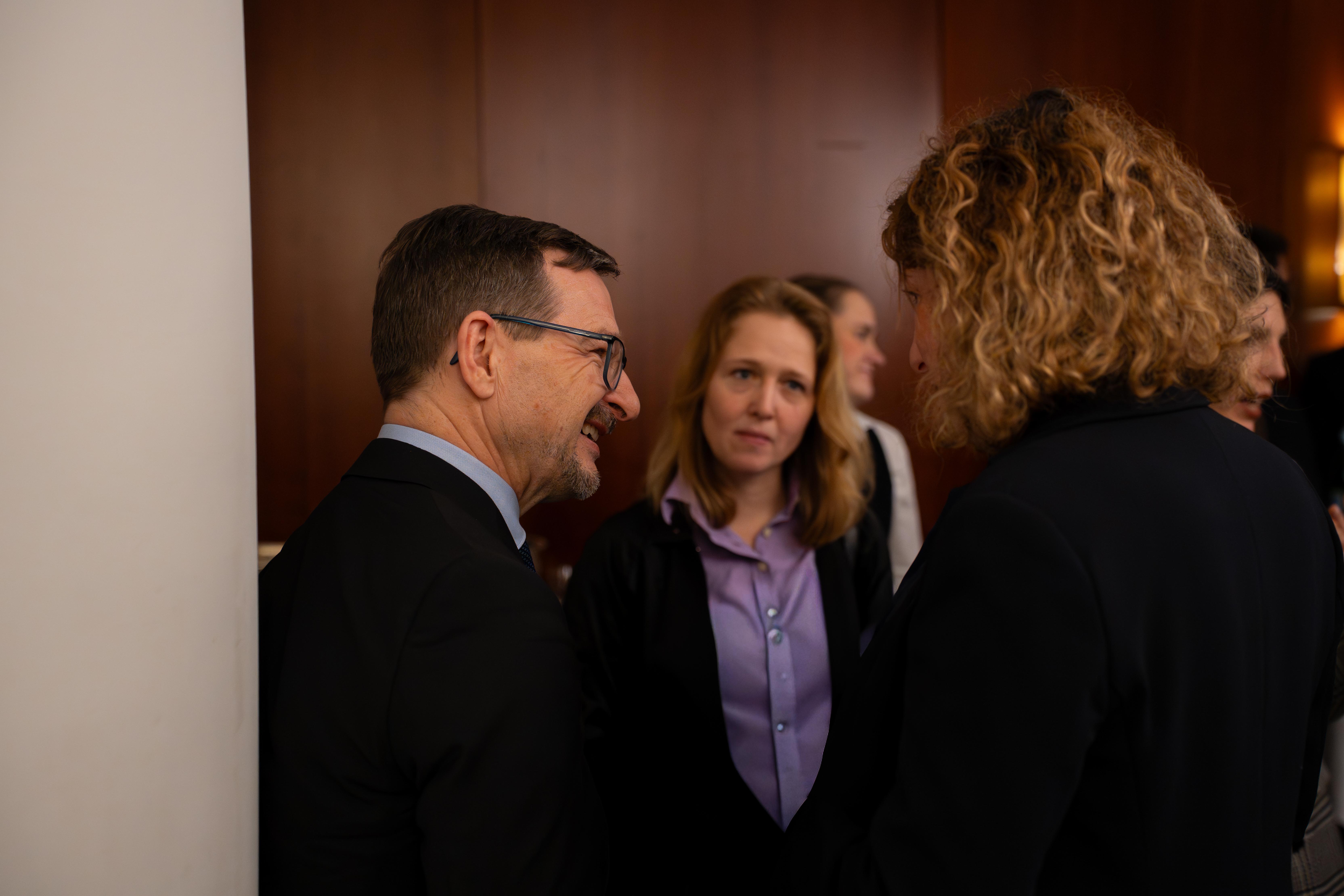
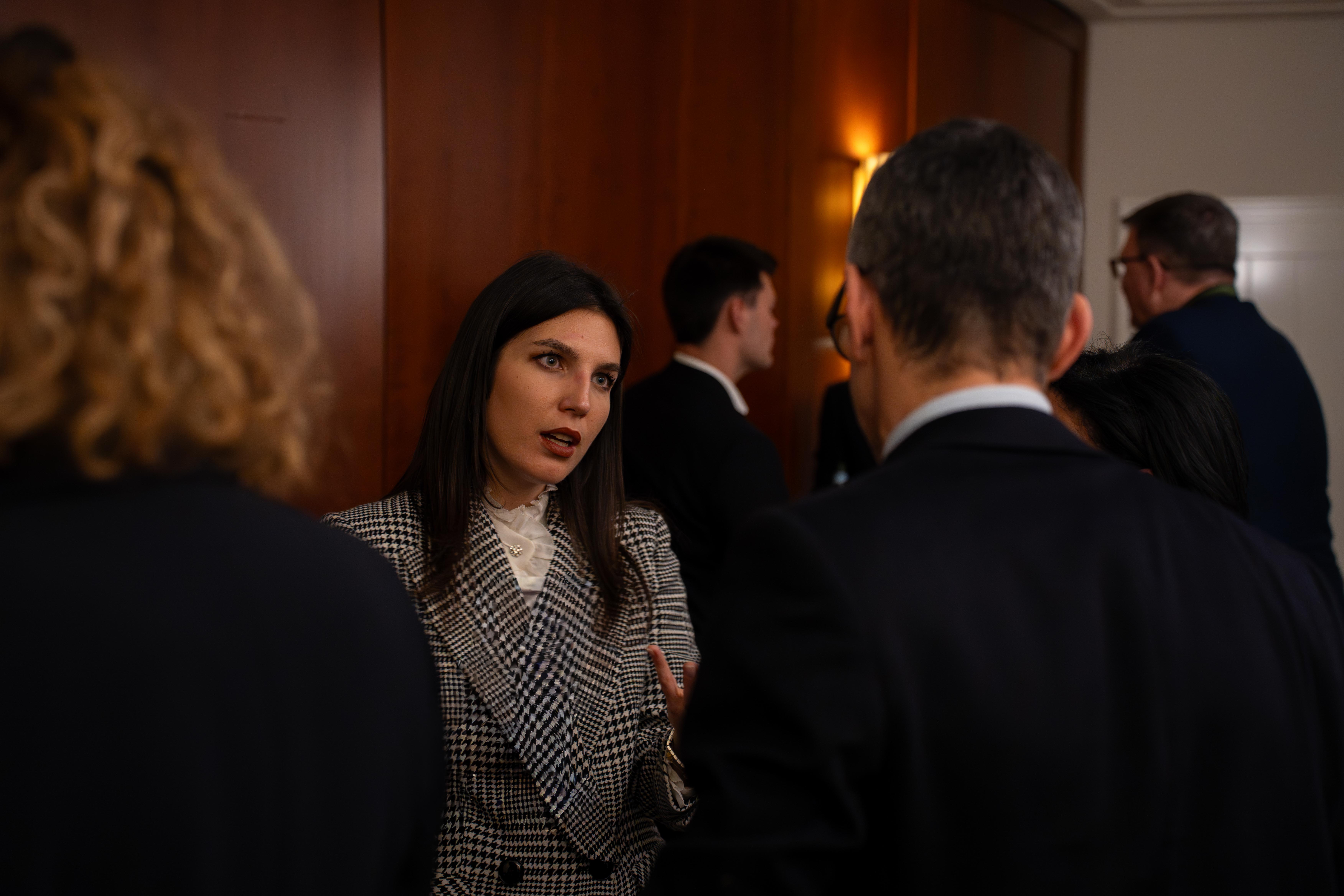
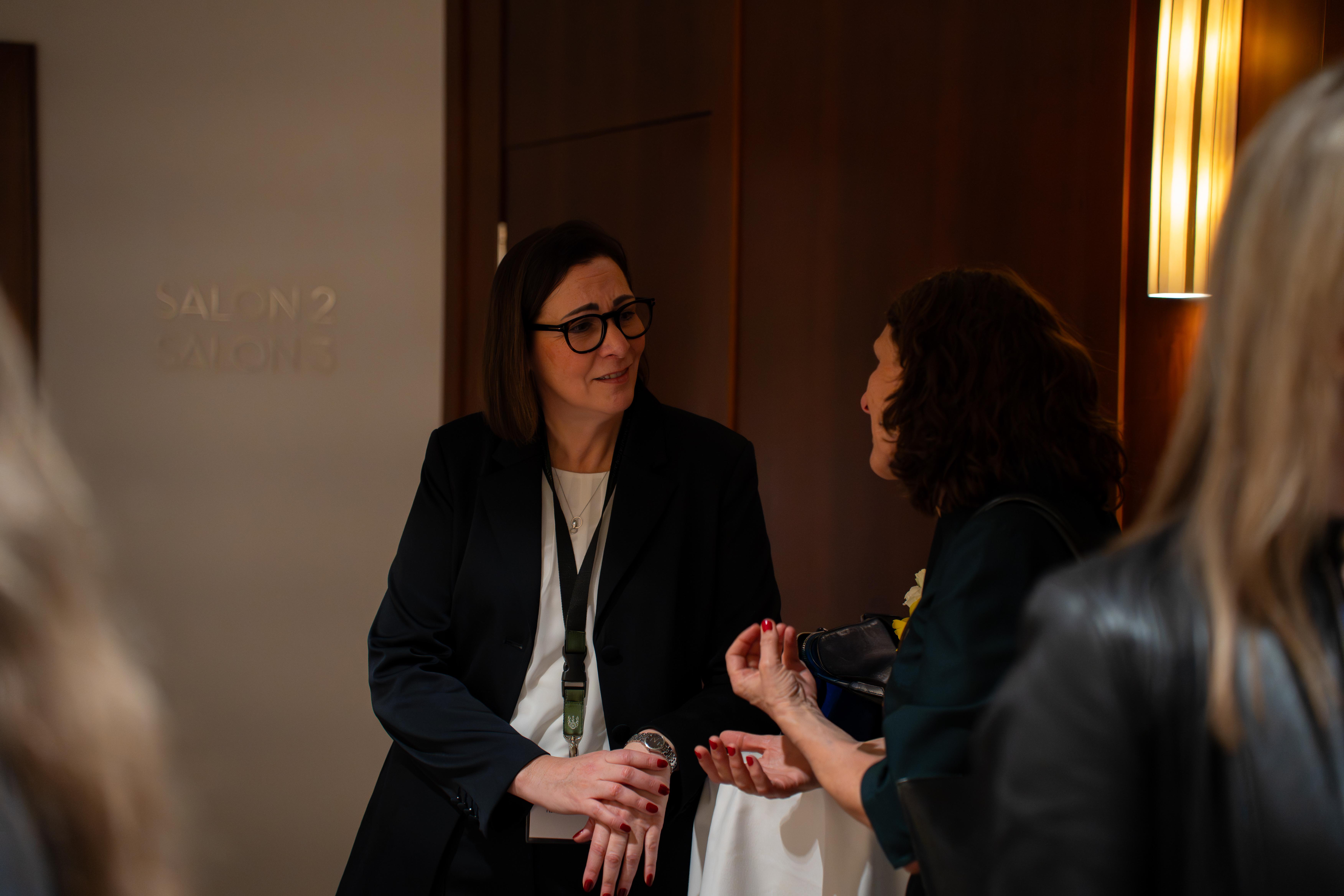
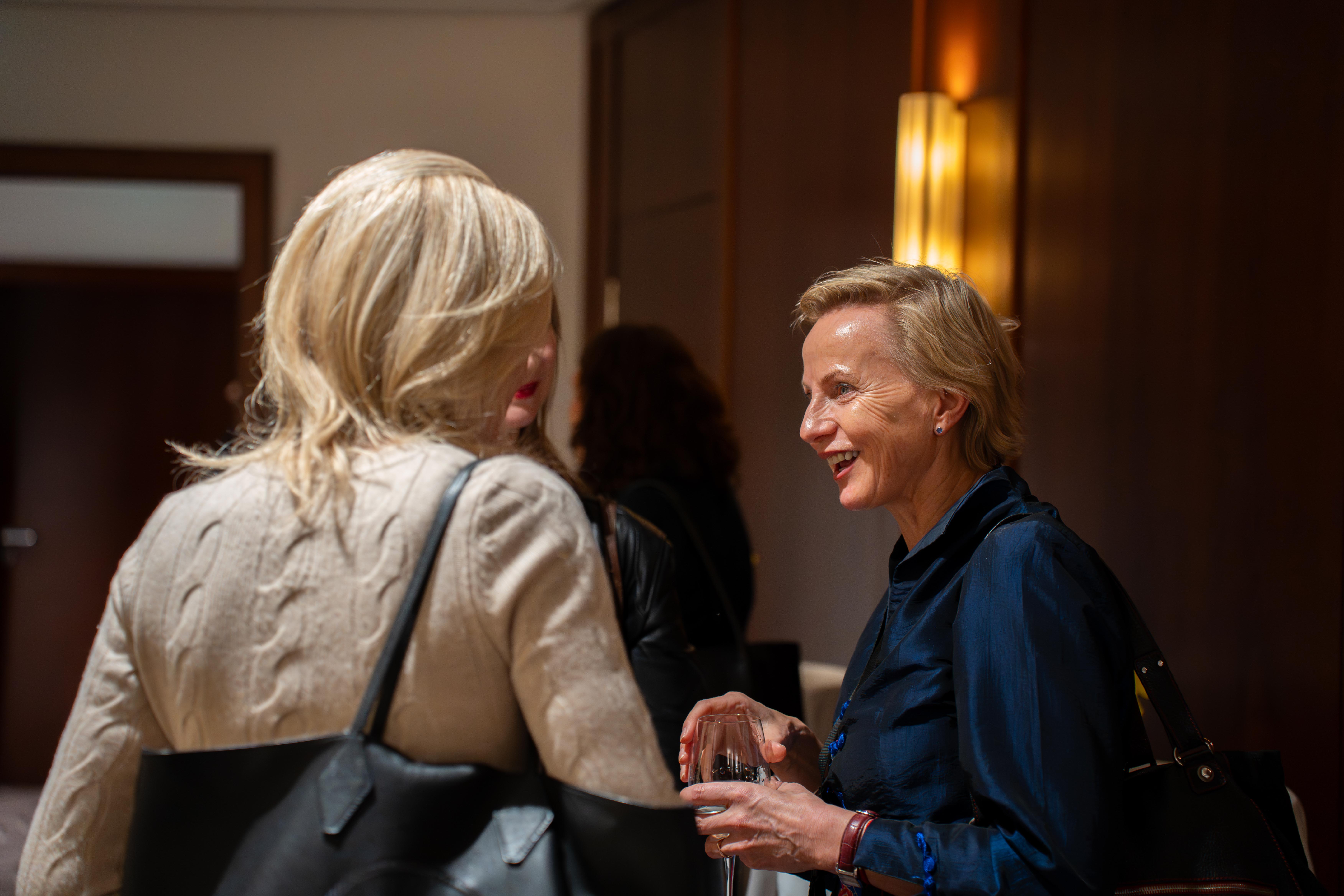
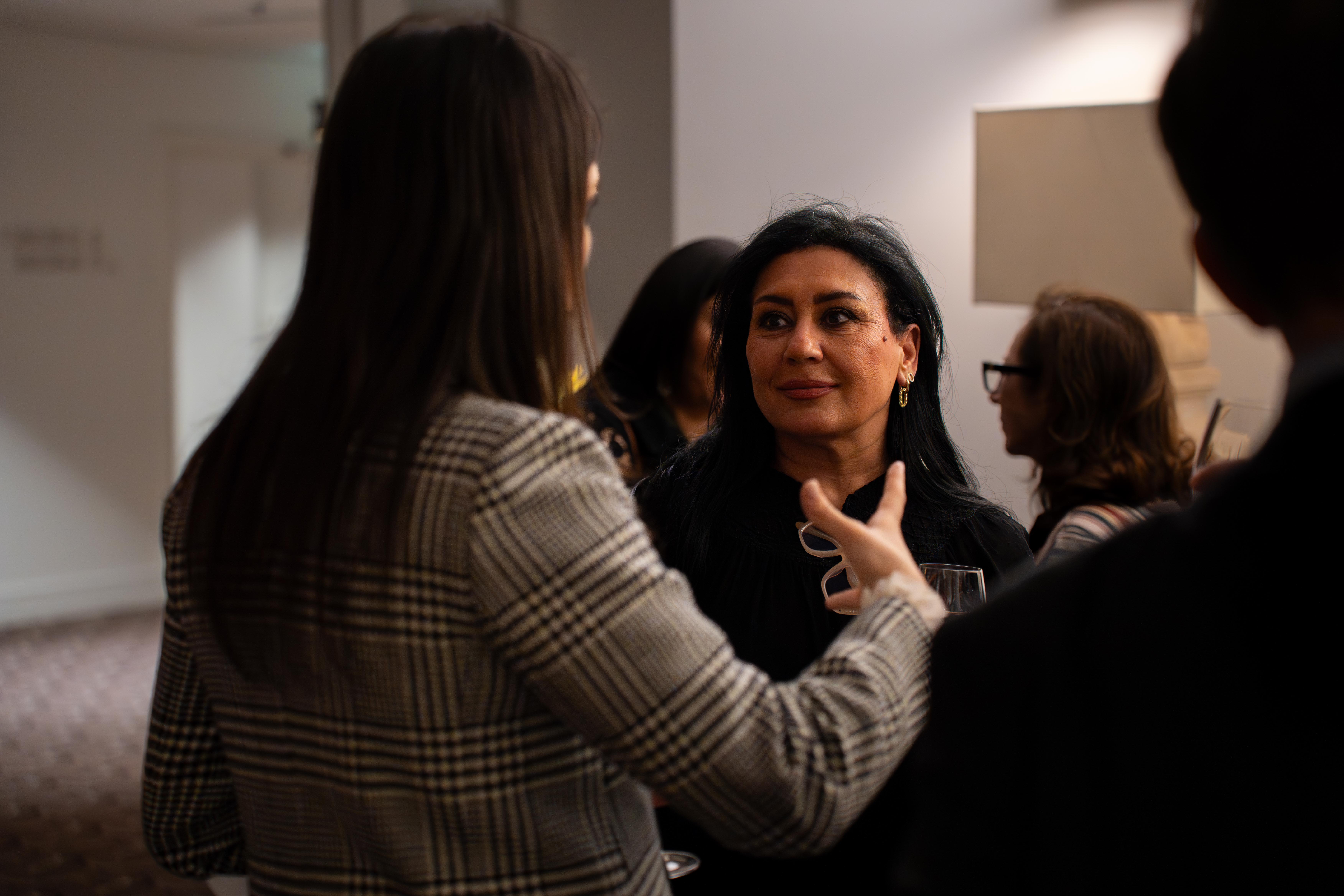
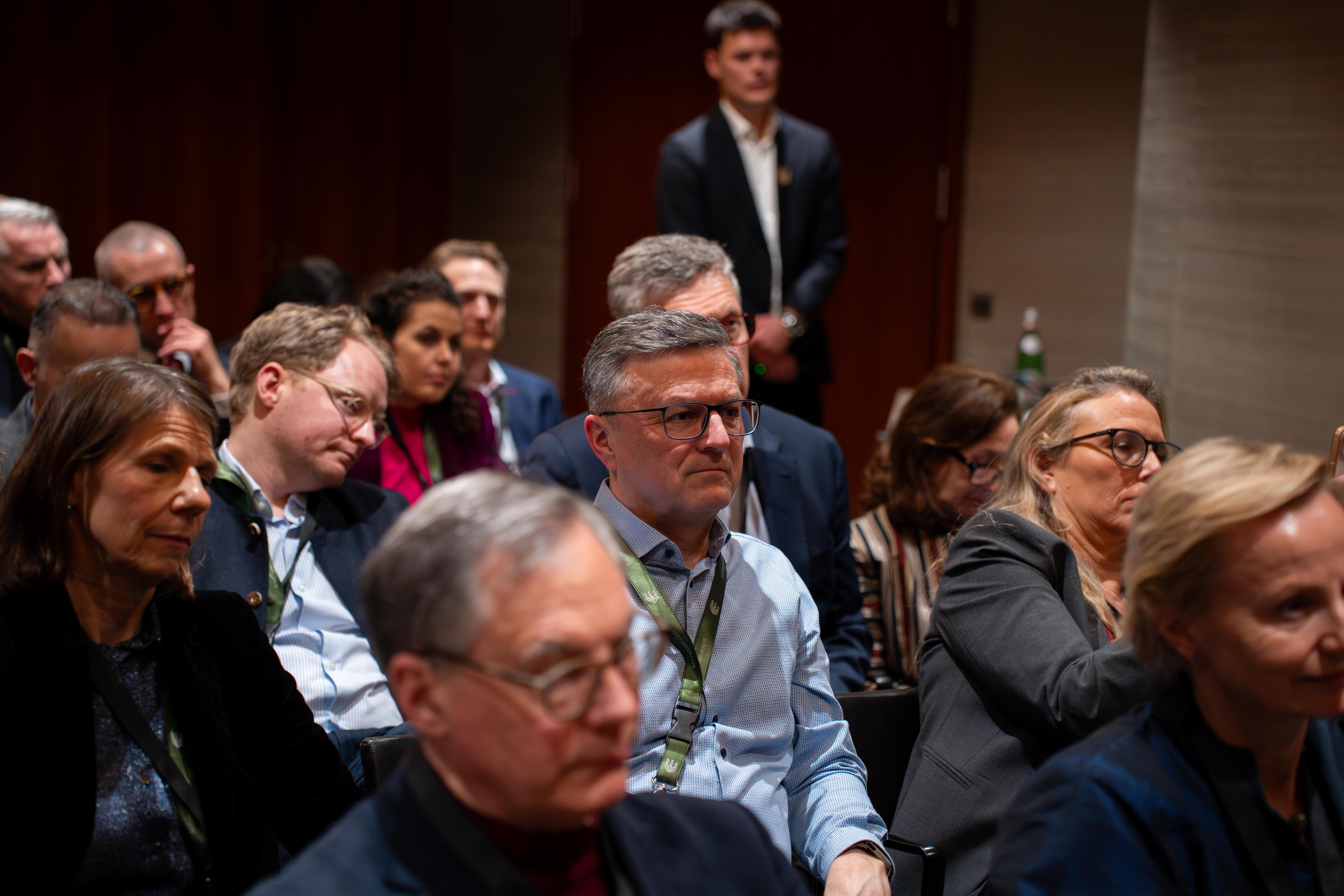
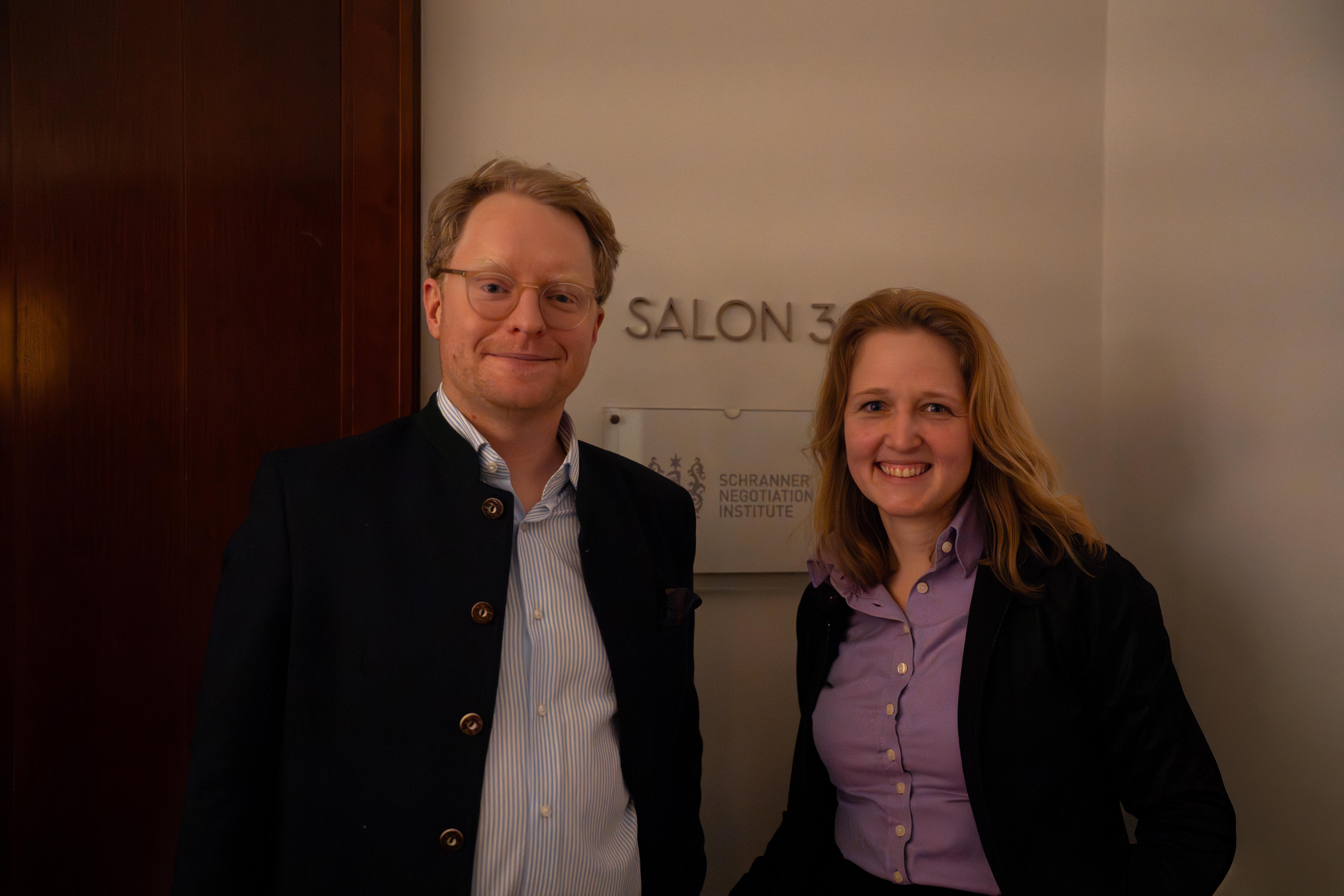
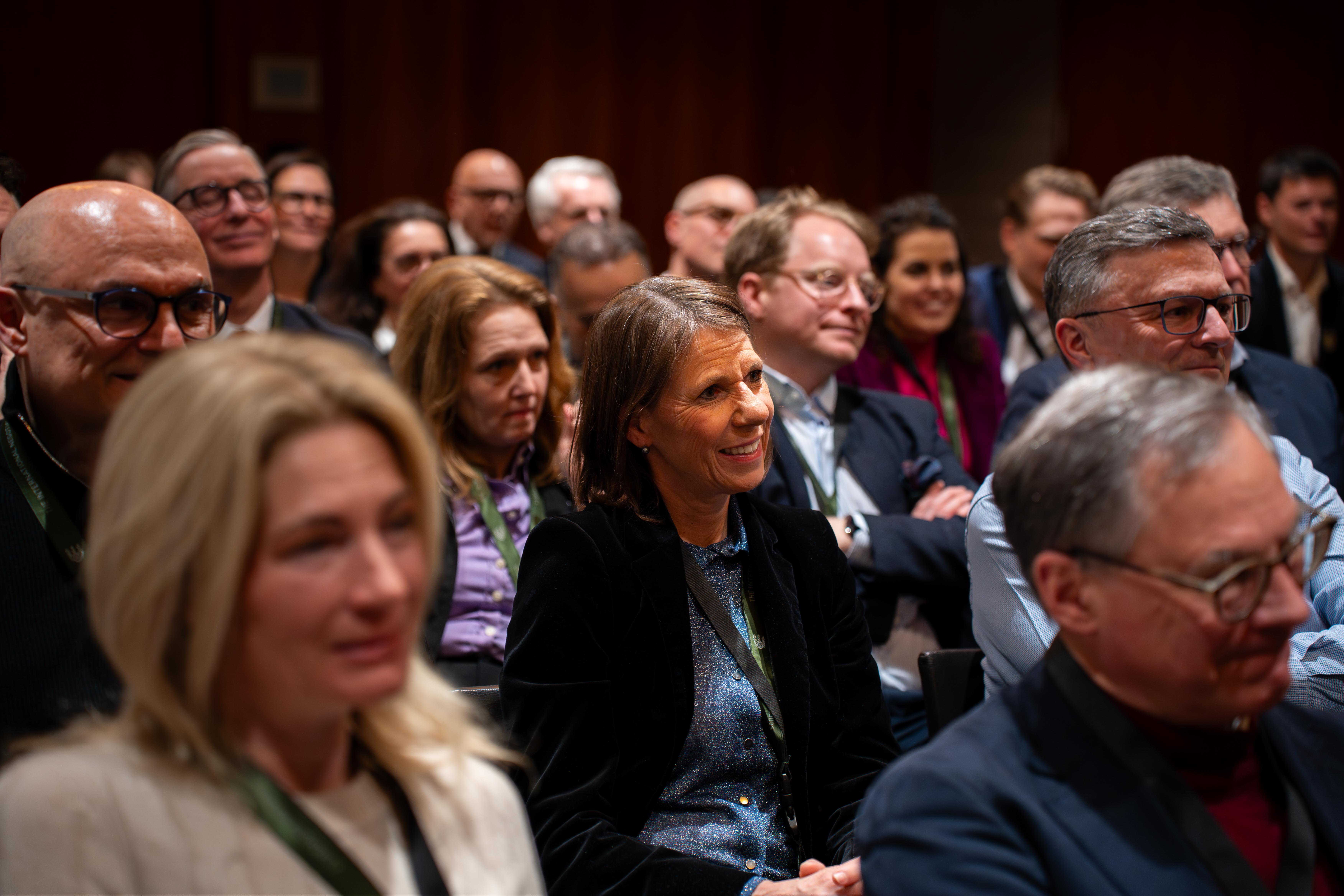
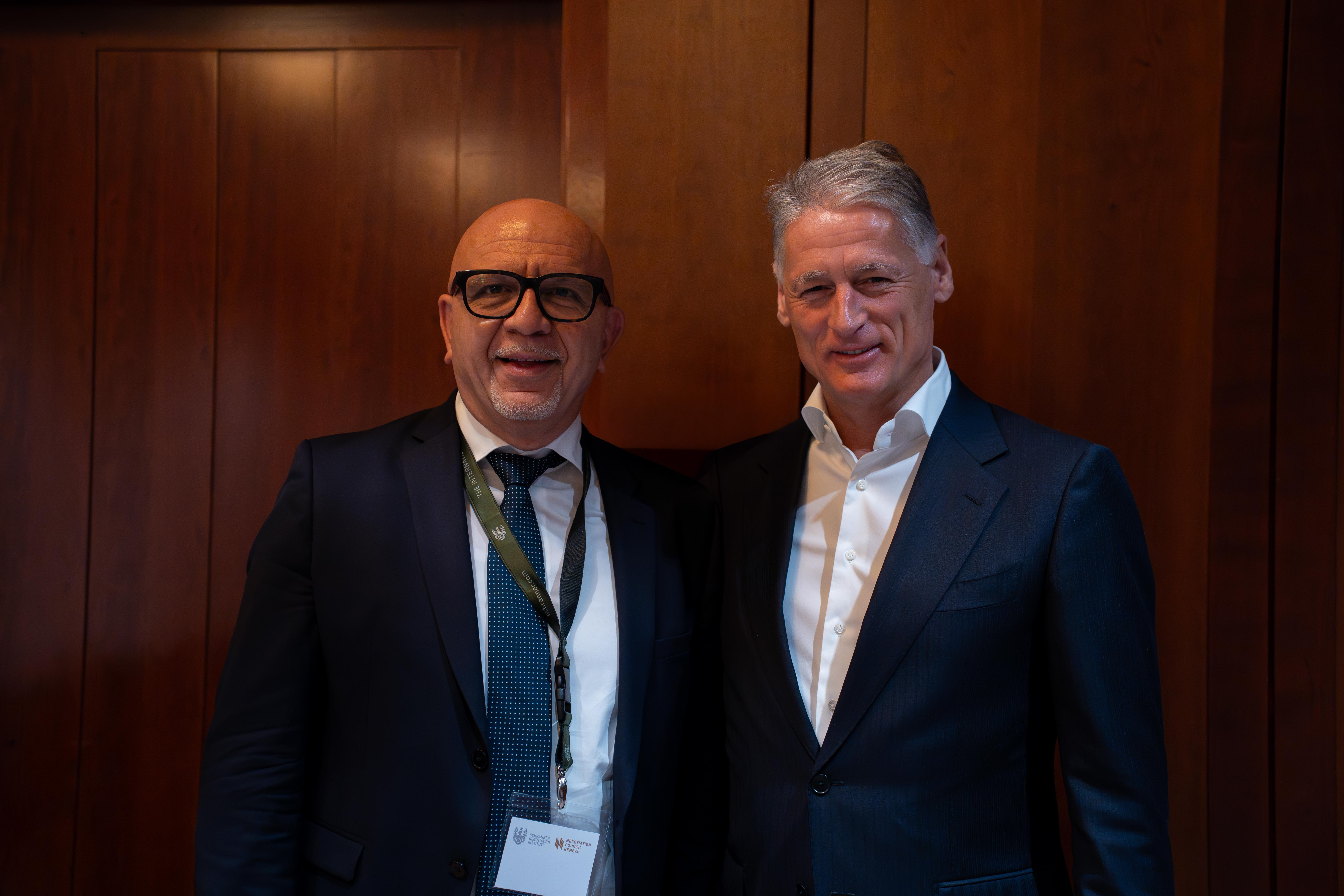
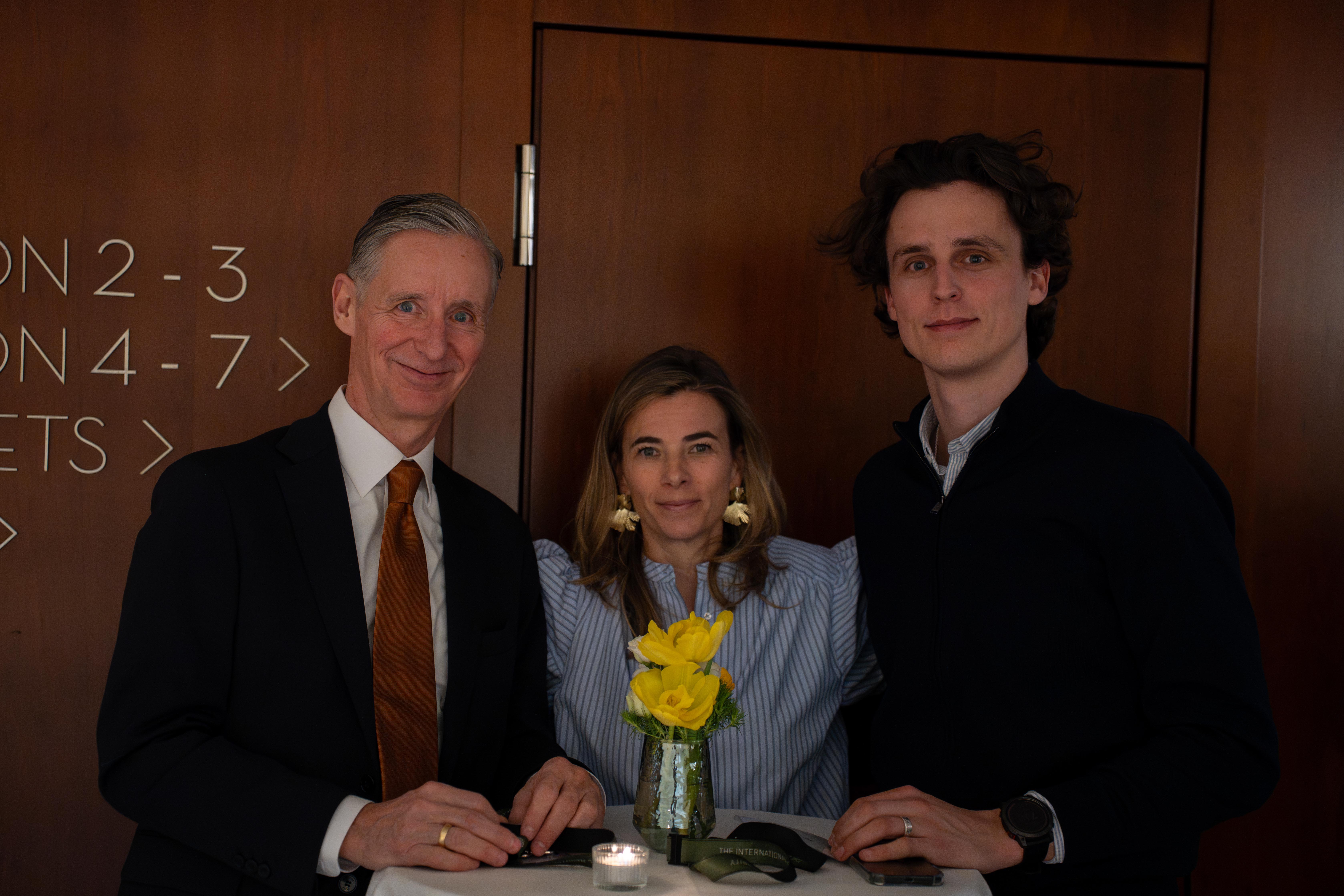
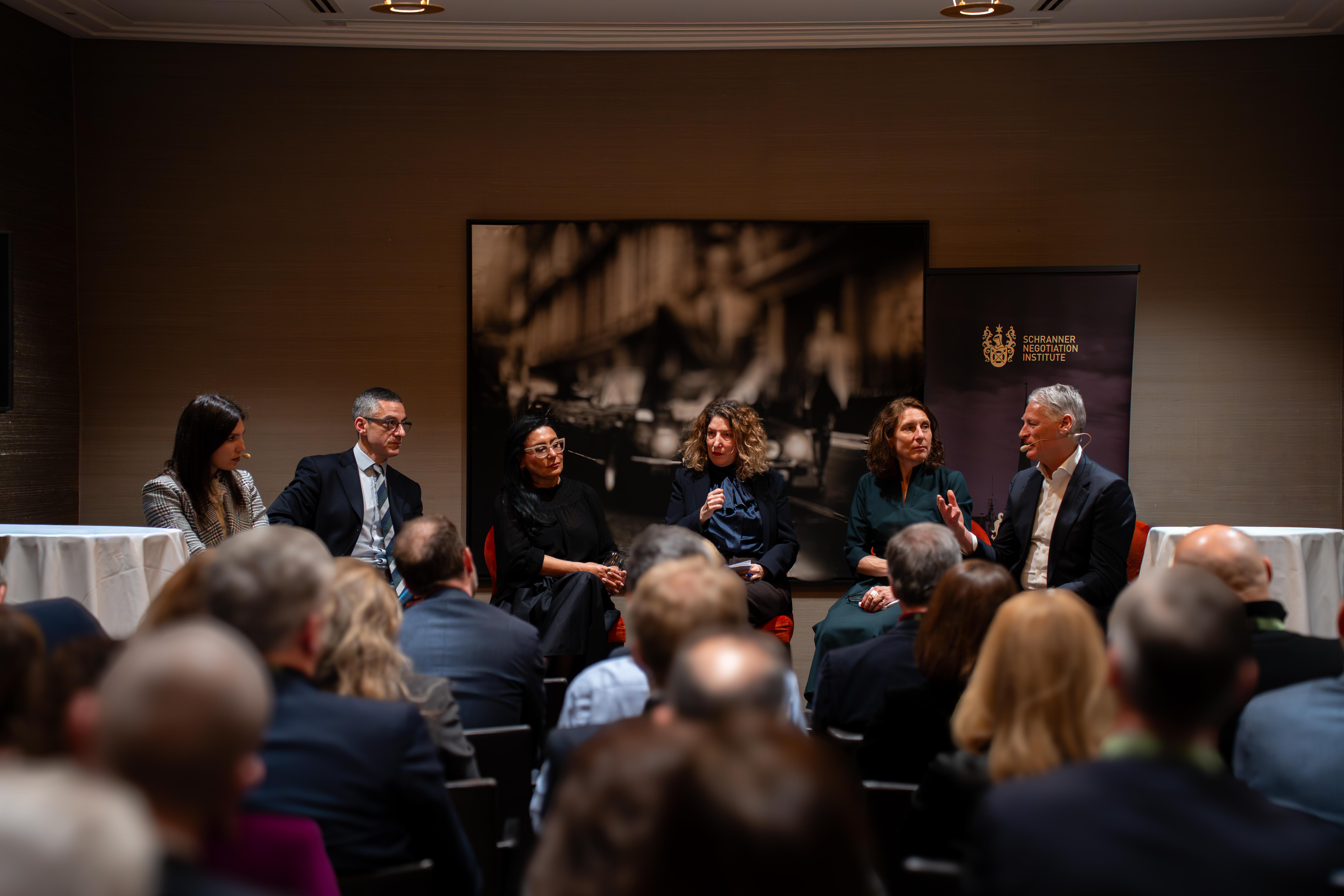
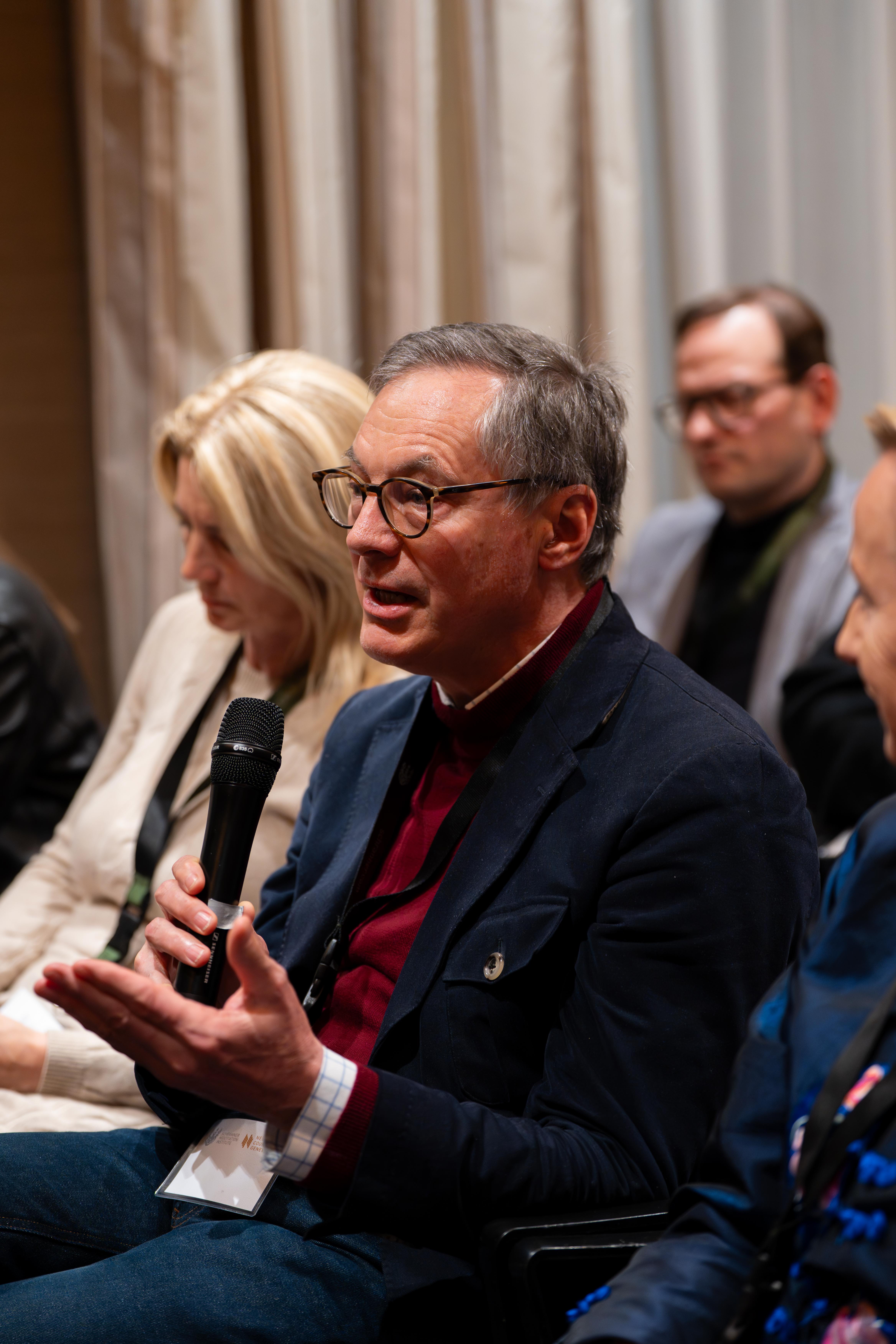
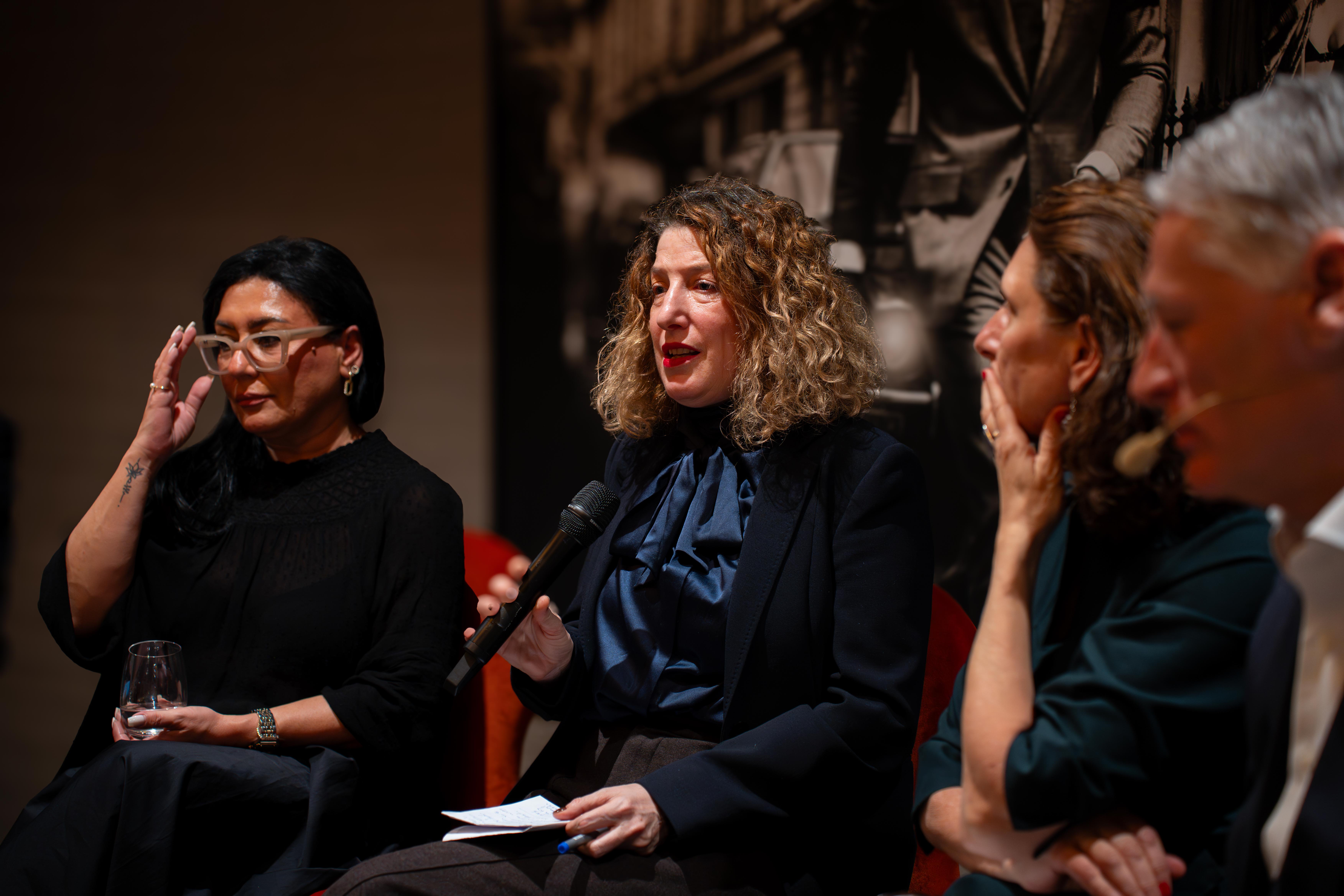
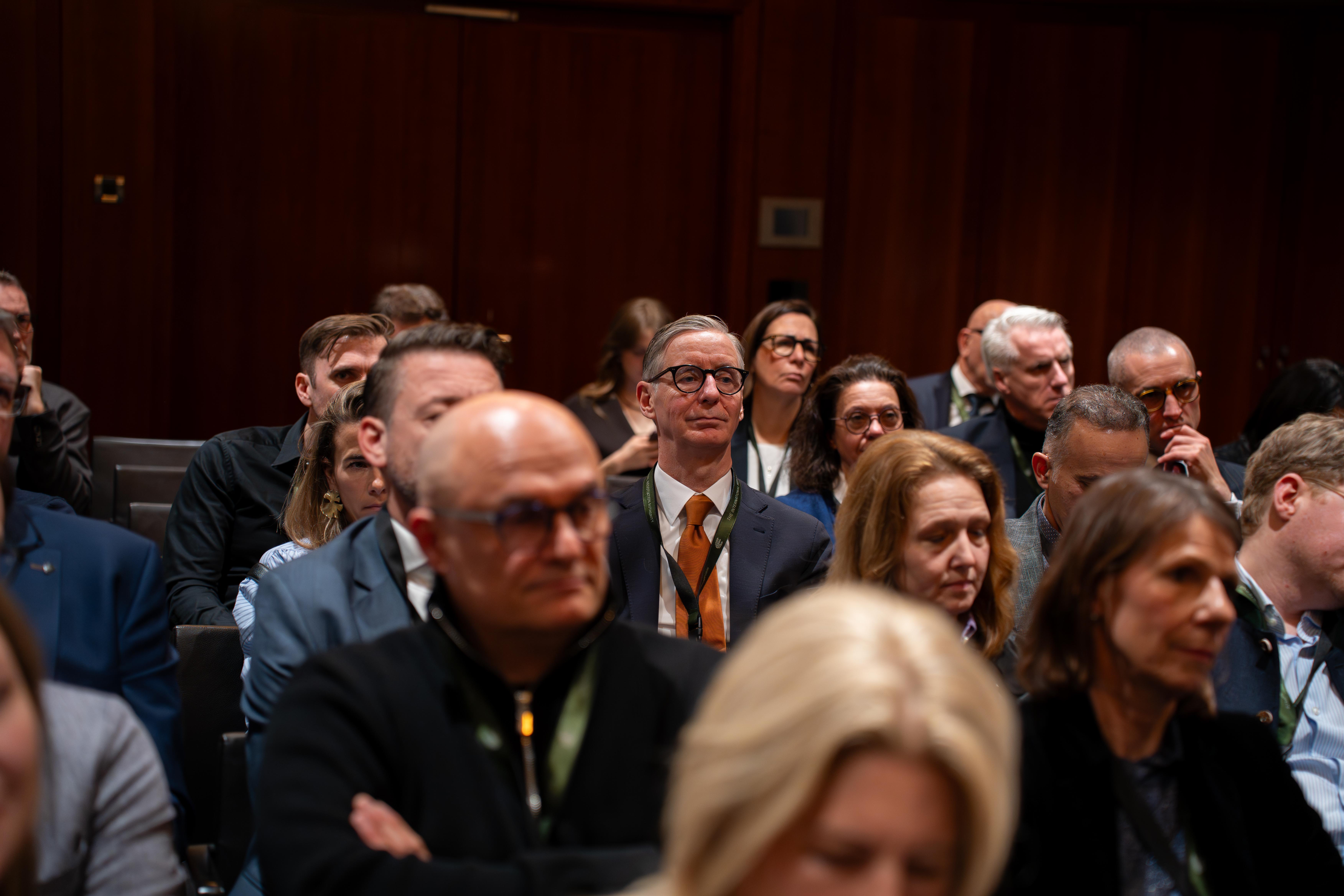
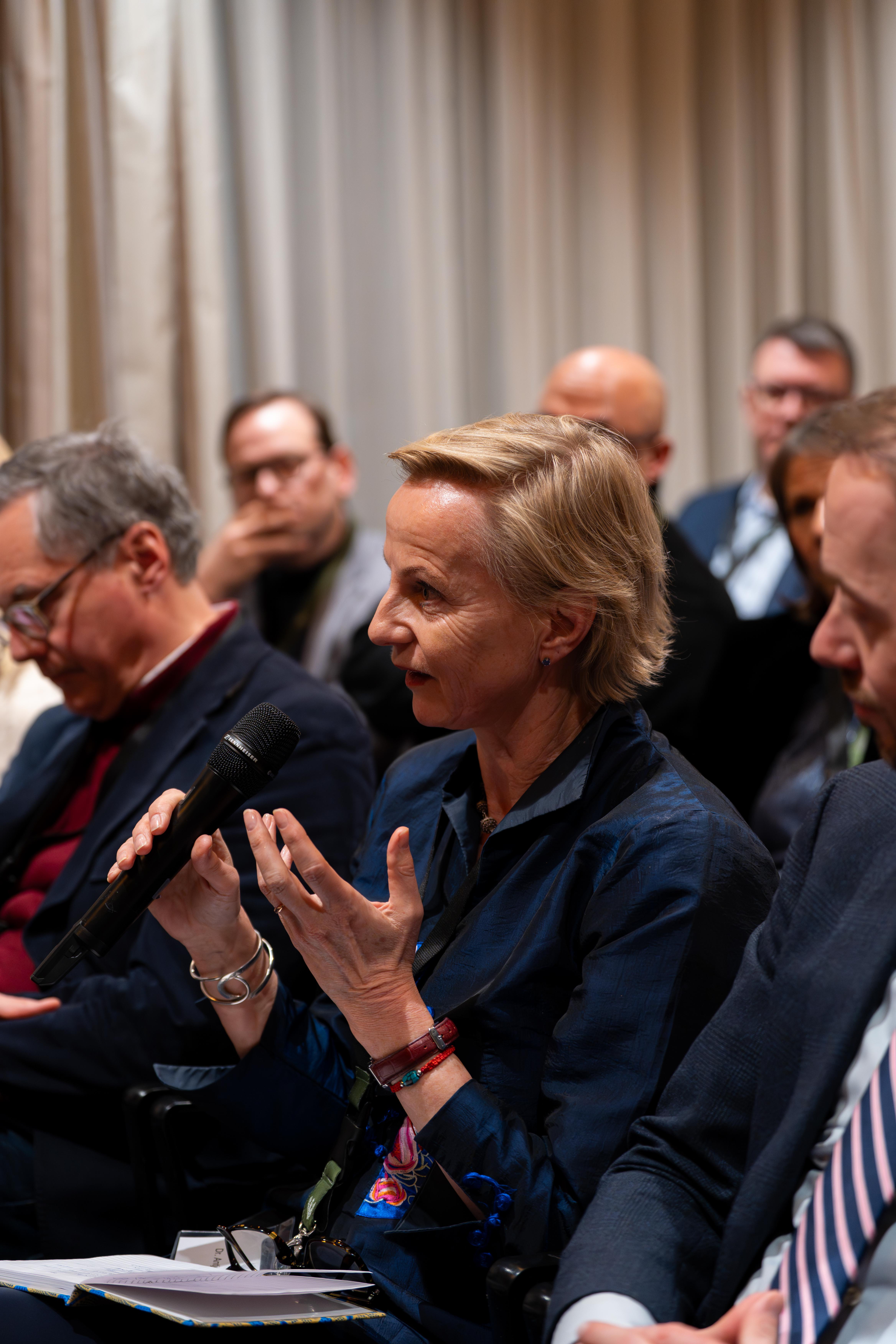
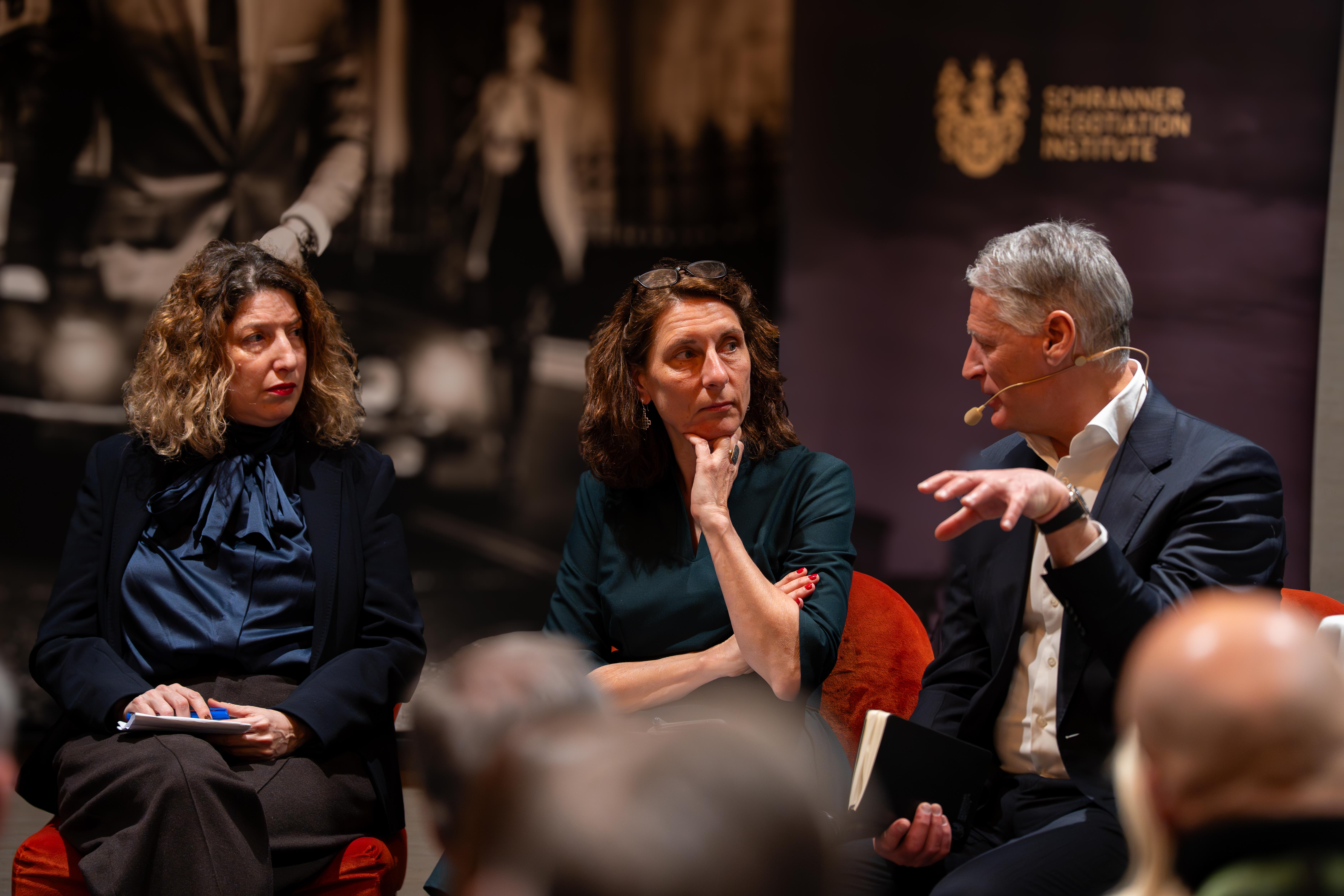
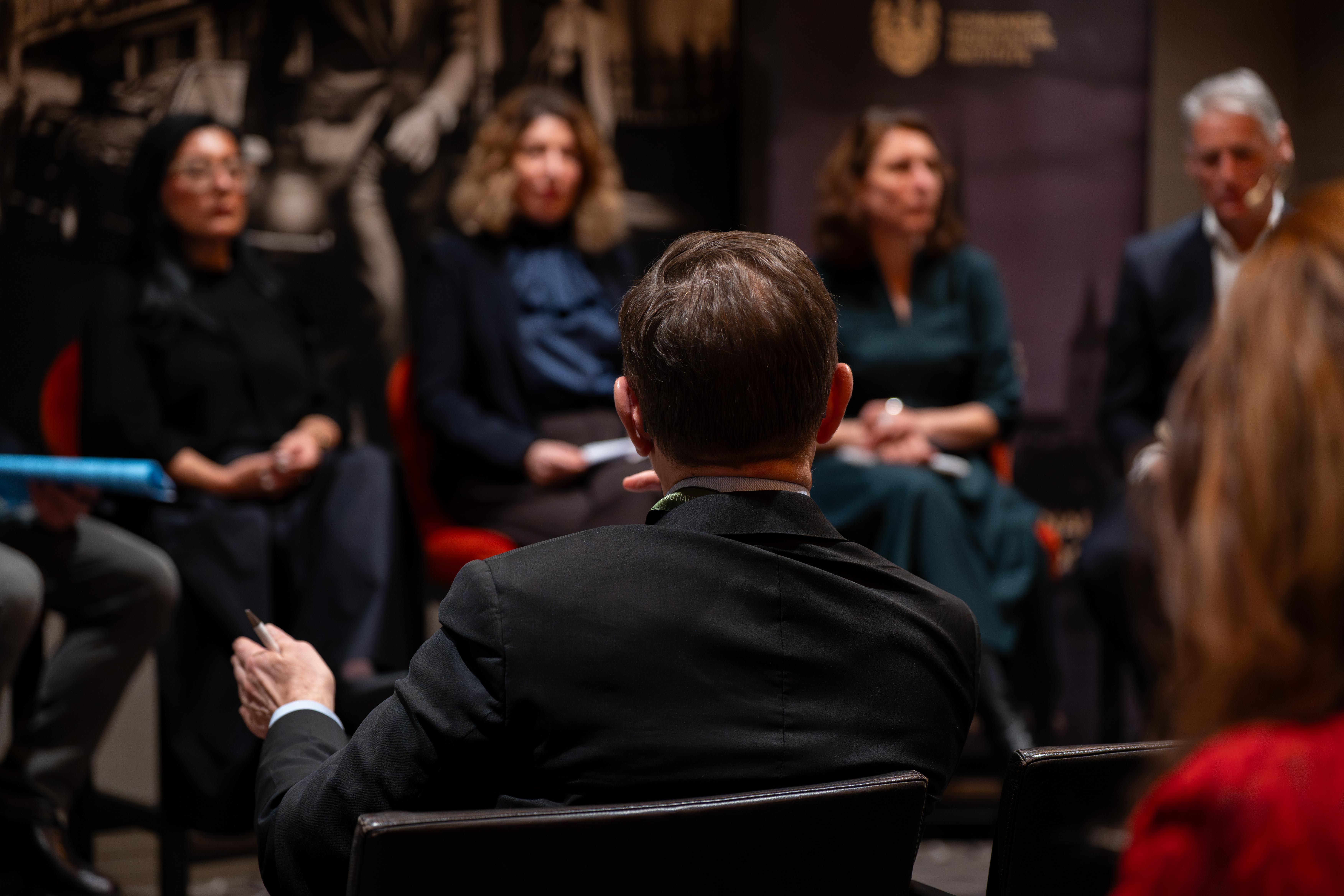
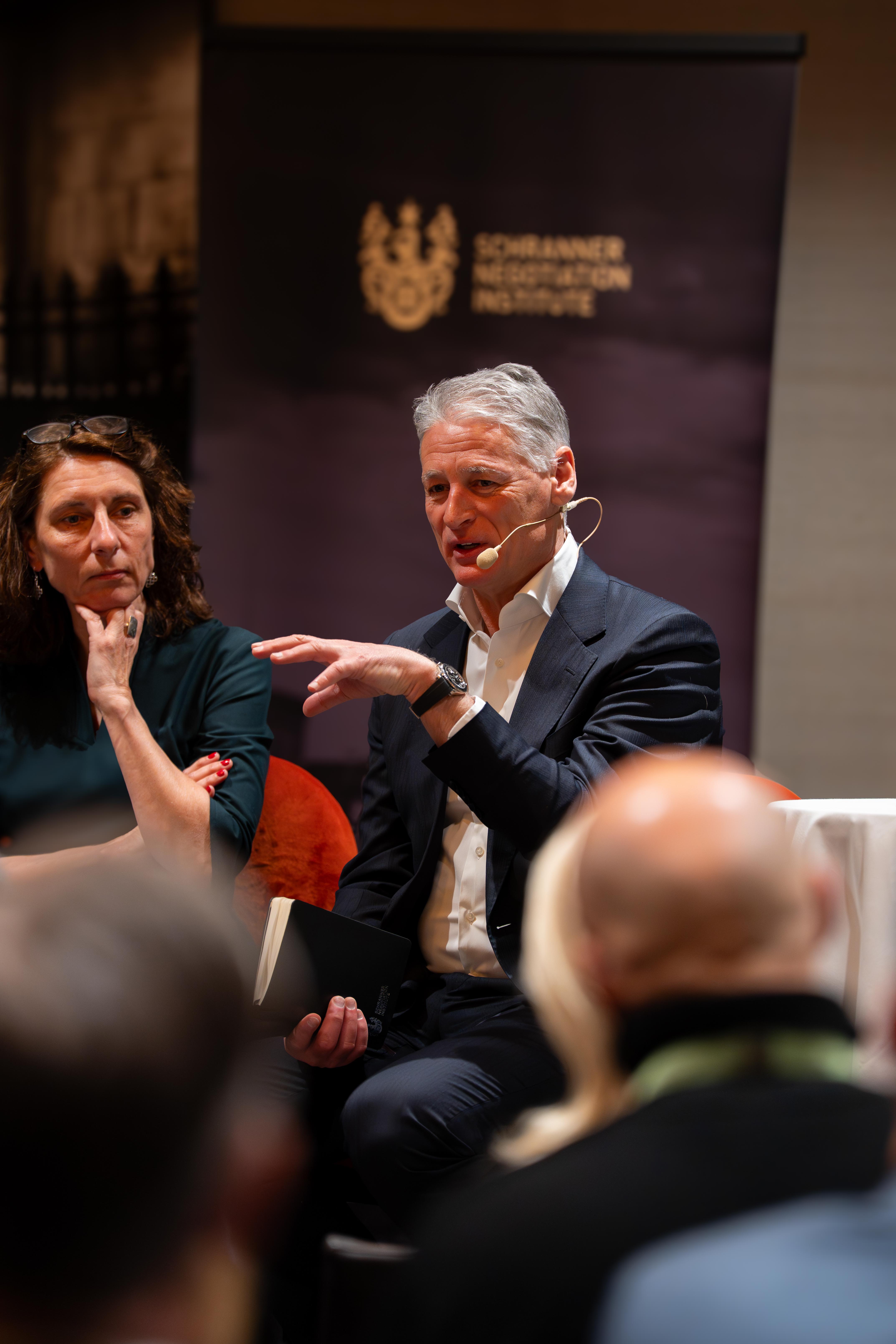
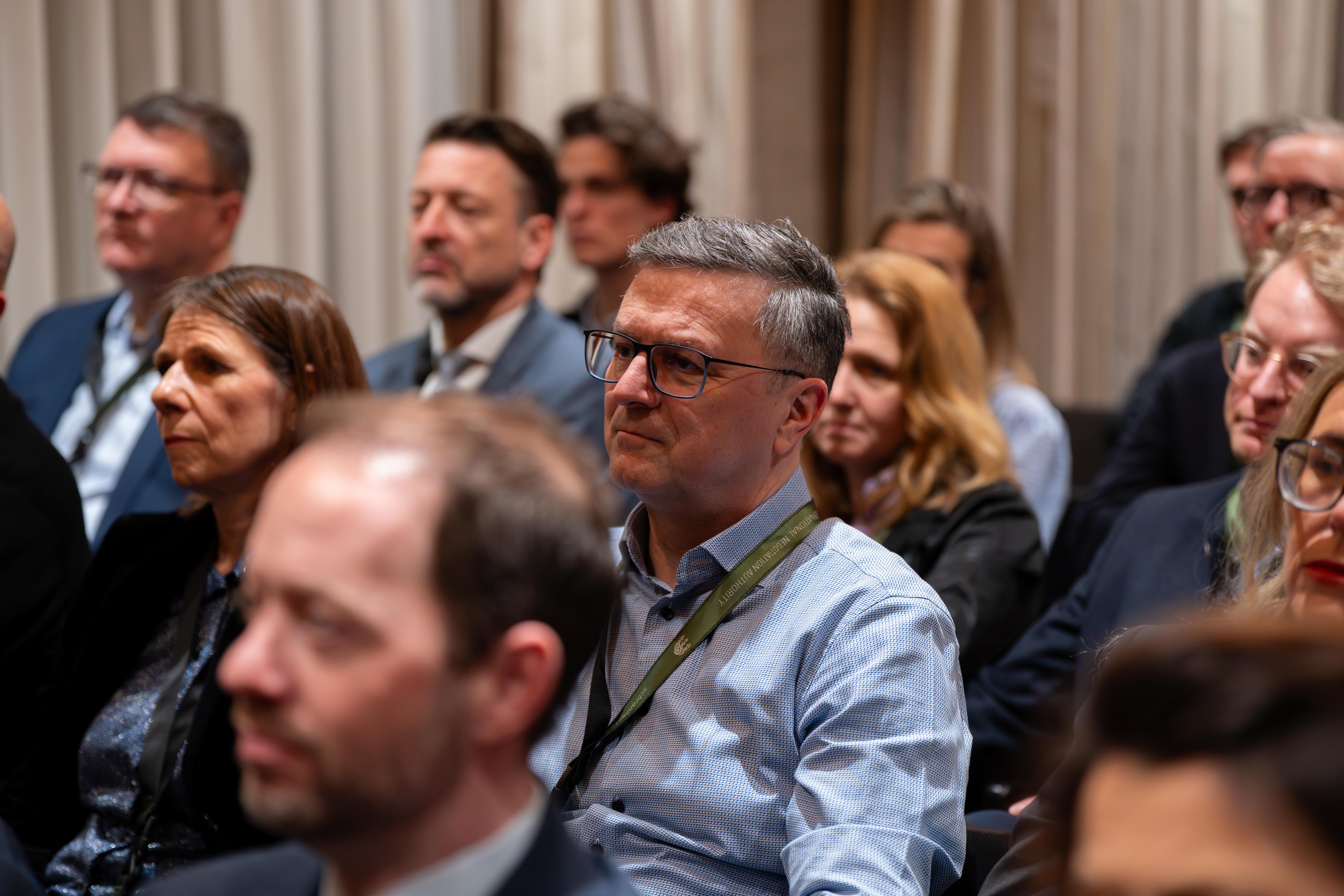
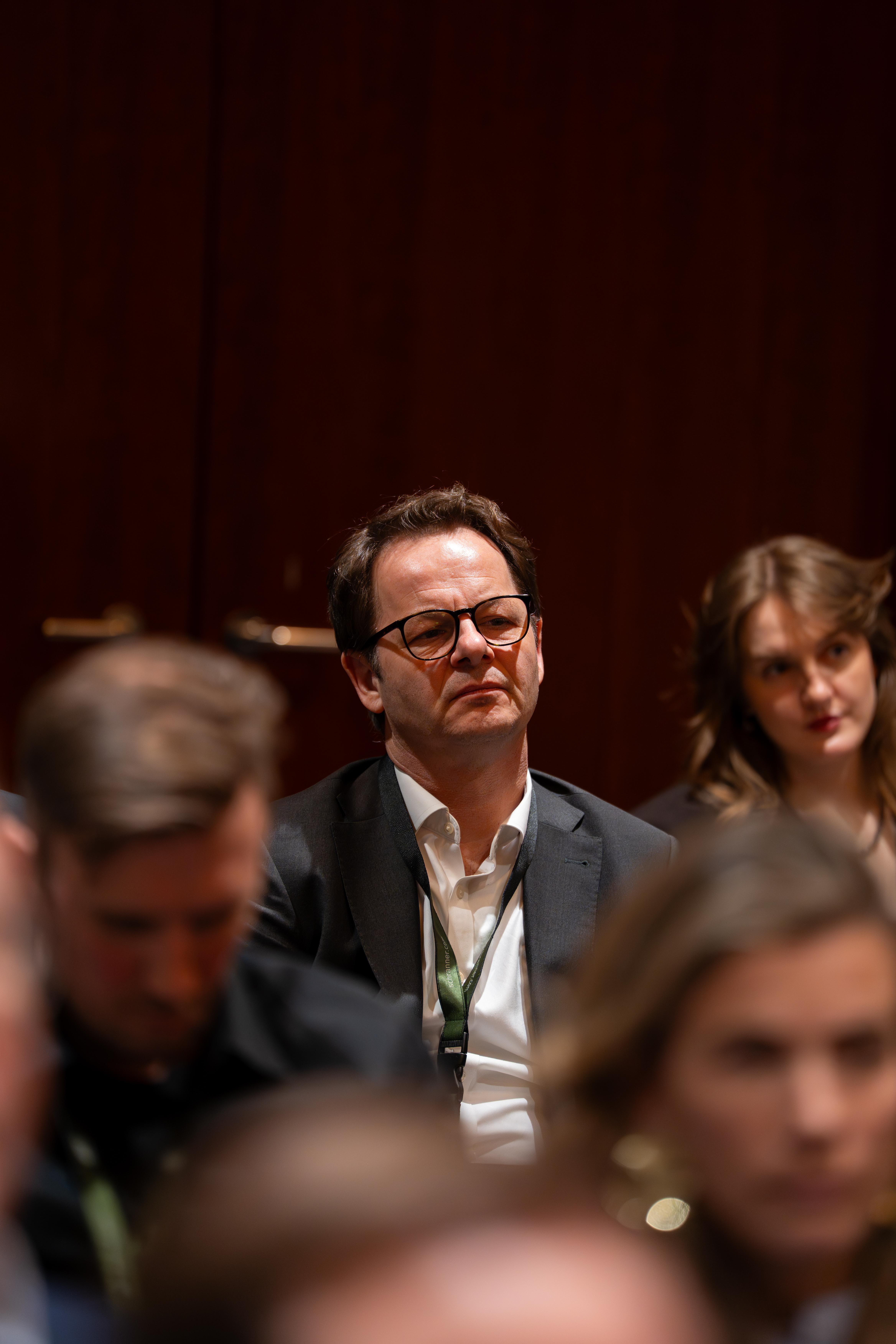
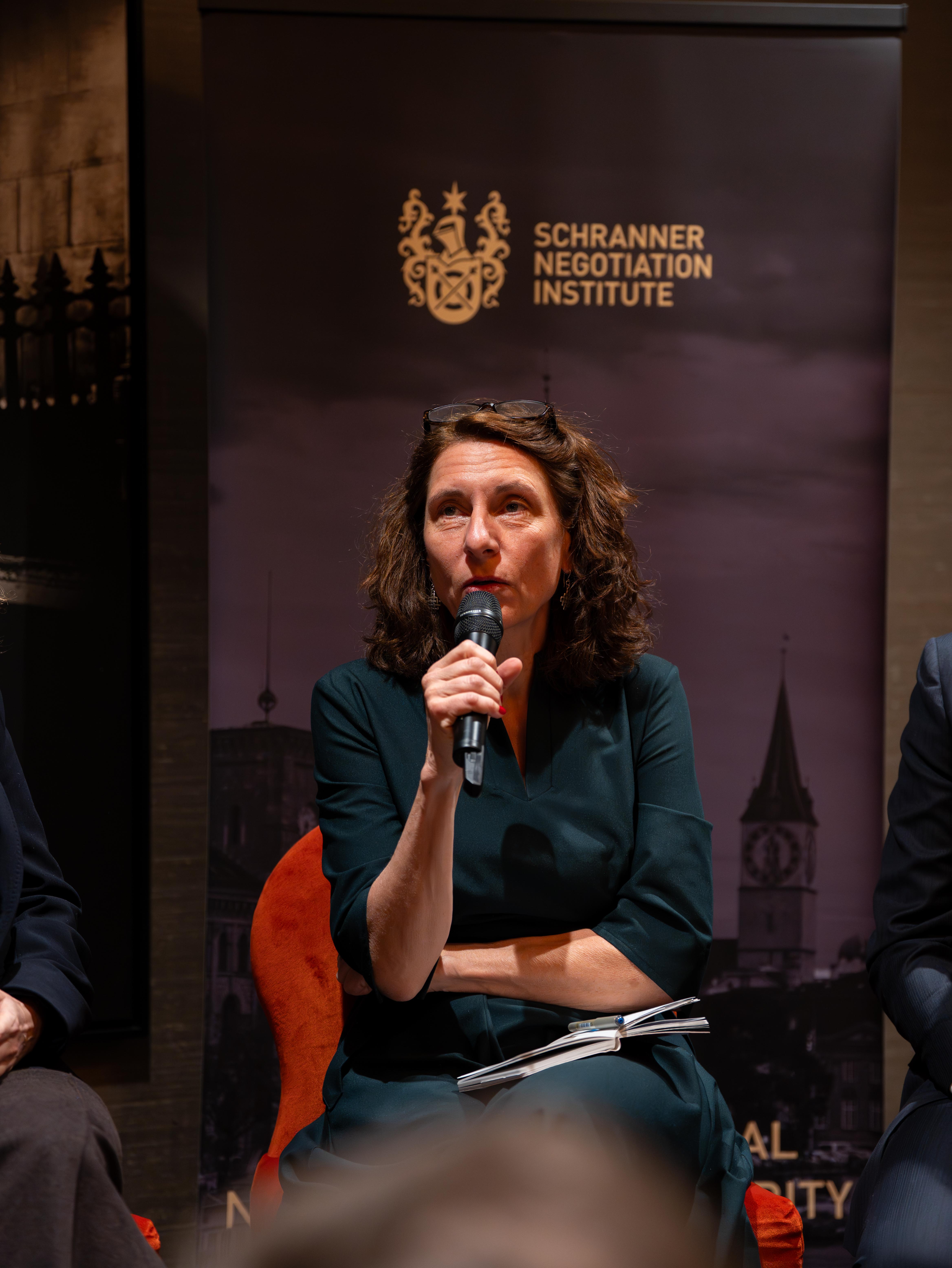
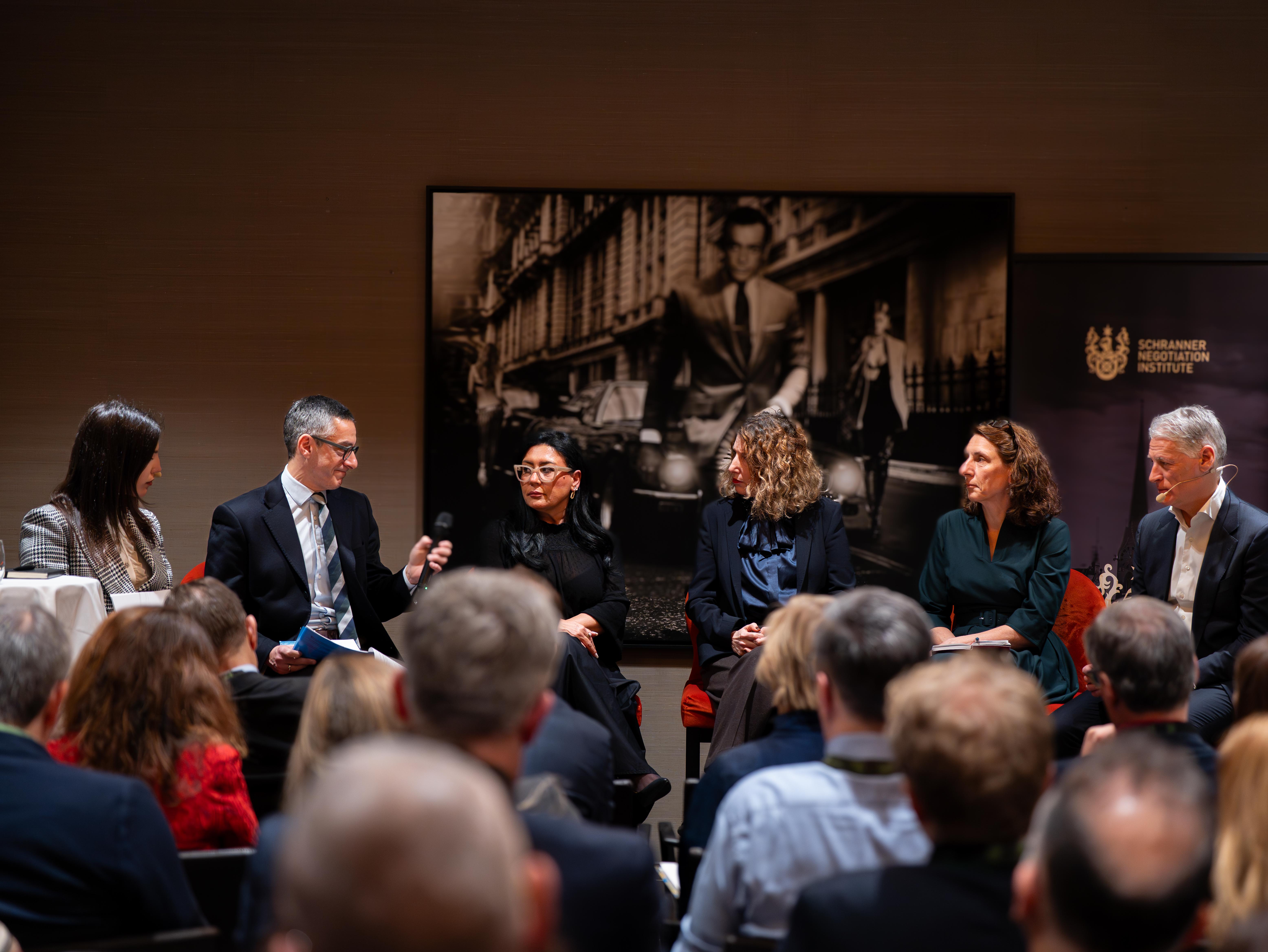
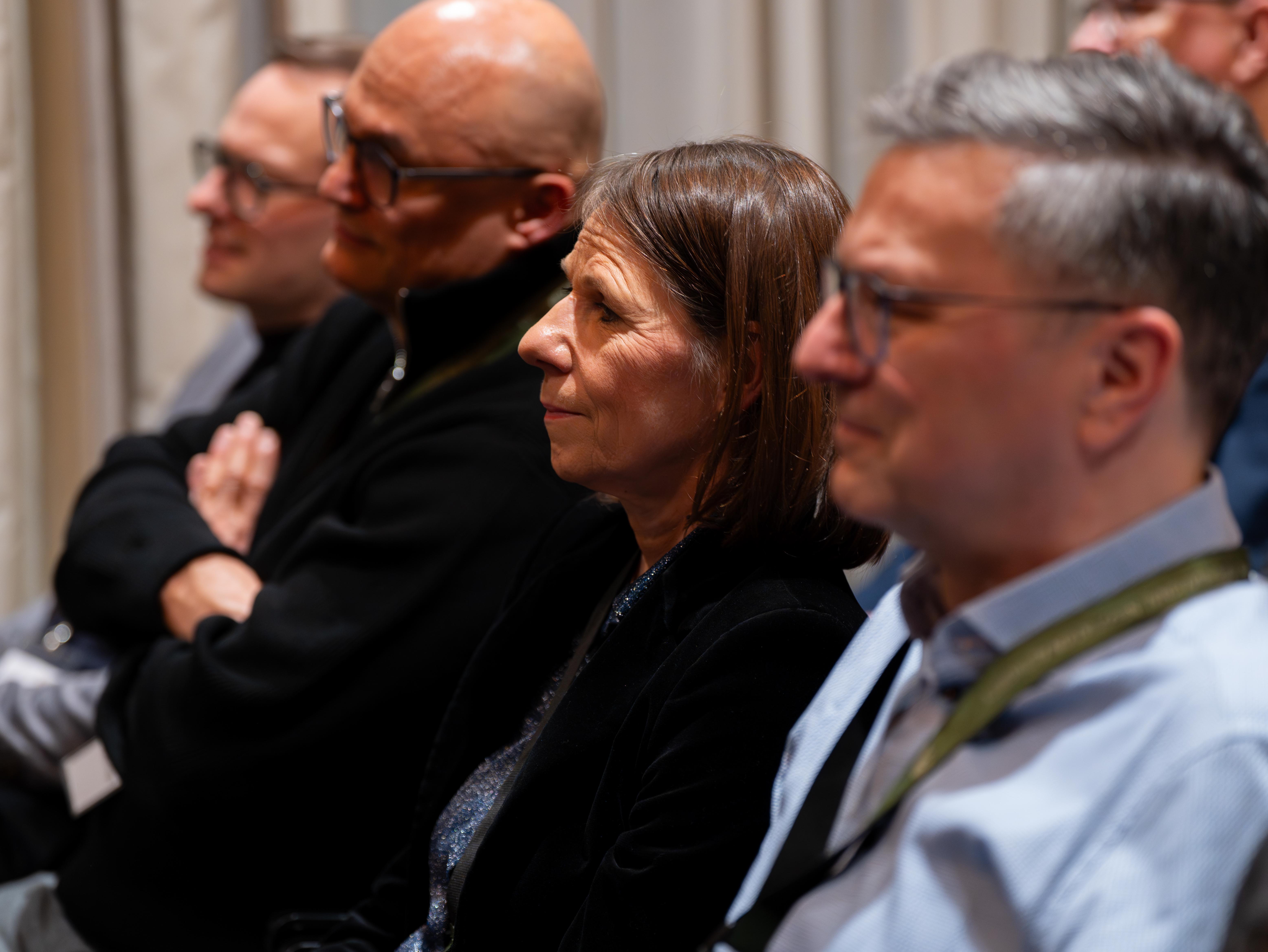
On 14 February, on the margins of the Munich Security Conference, the Negotiation Council Geneva, together with the Schranner Negotiation Institute, had the privilege of hosting the high-level side event “Negotiation Risks and Opportunities: From Ceasefire to Peace,” dedicated to addressing one of the most urgent diplomatic challenges of the present moment.
At a time when the Middle East continues to face profound instability, the October 2025 ceasefire in Gaza has created a narrow but meaningful window of opportunity. Yet the fragility of the situation on the ground raises a fundamental question: how can a temporary cessation of hostilities be translated into a structured, credible, and sustainable pathway toward lasting peace?
Our Panelists
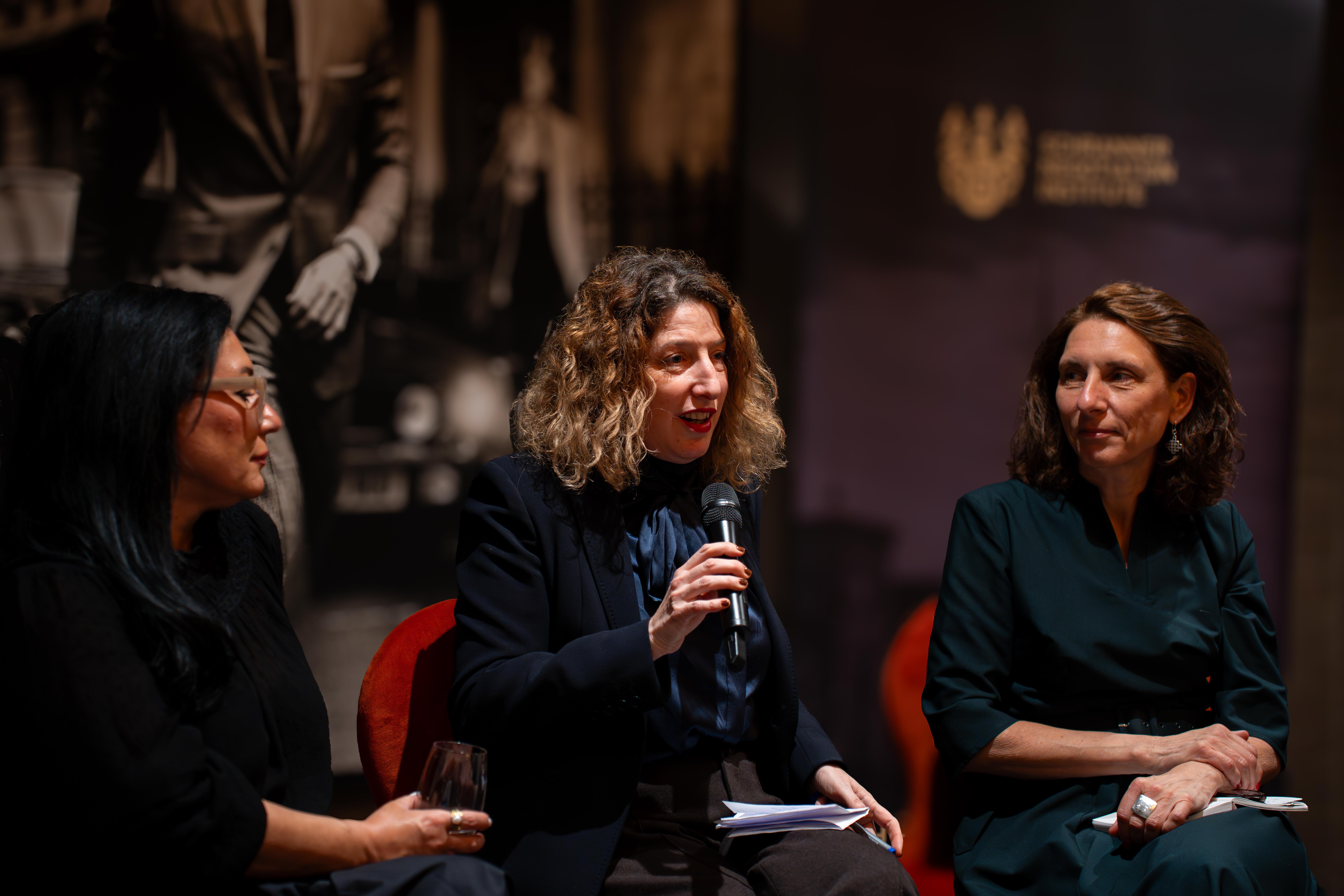
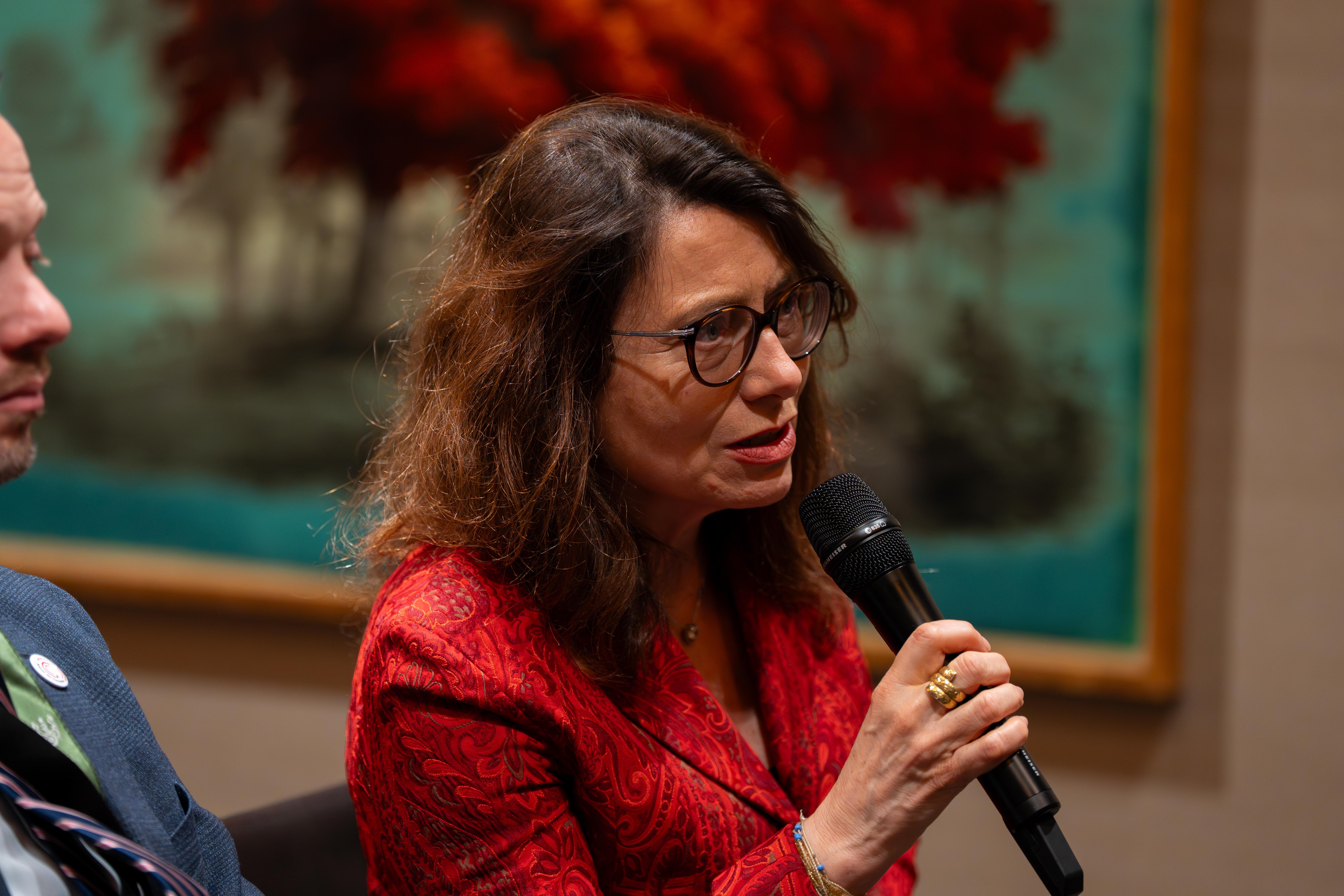
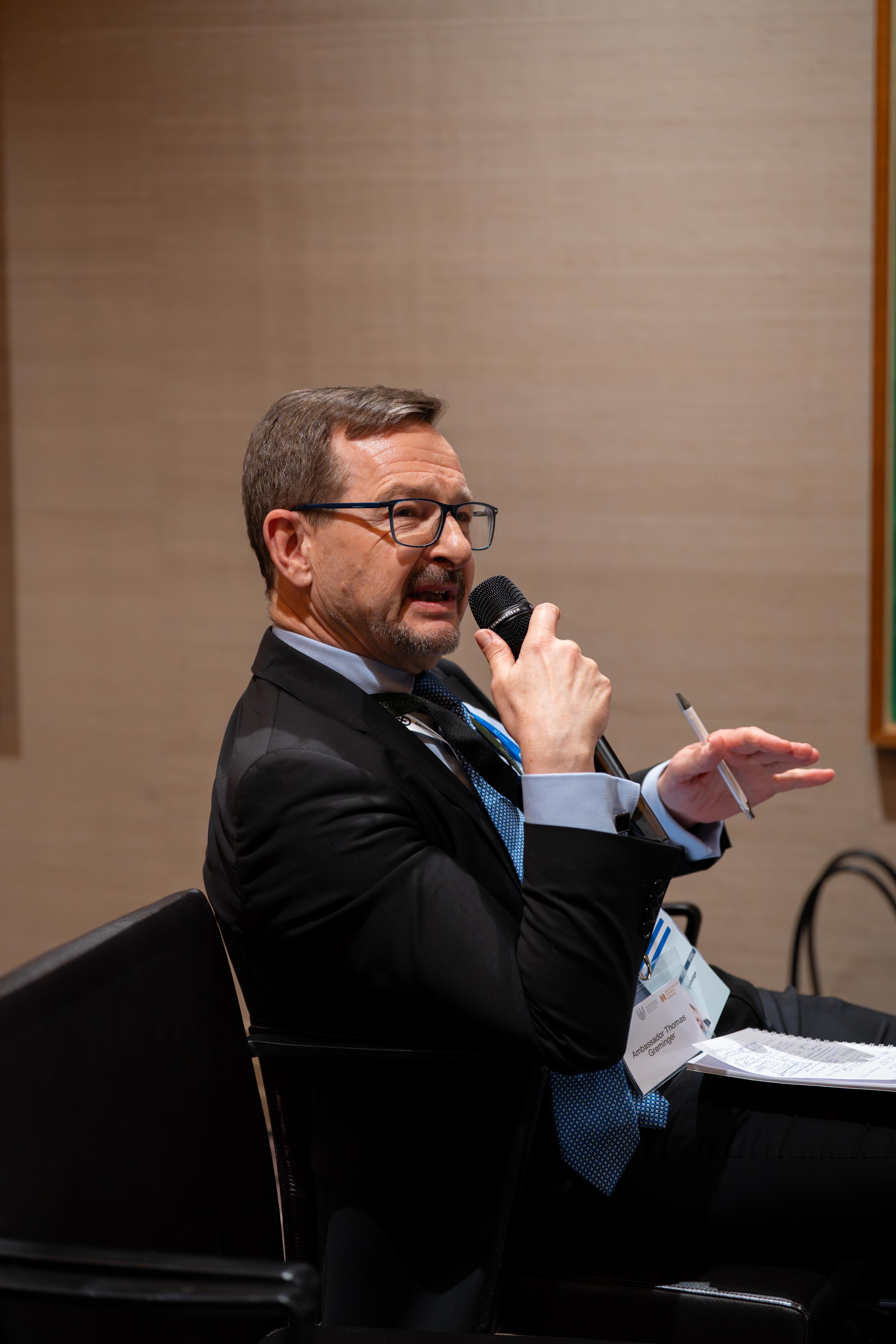
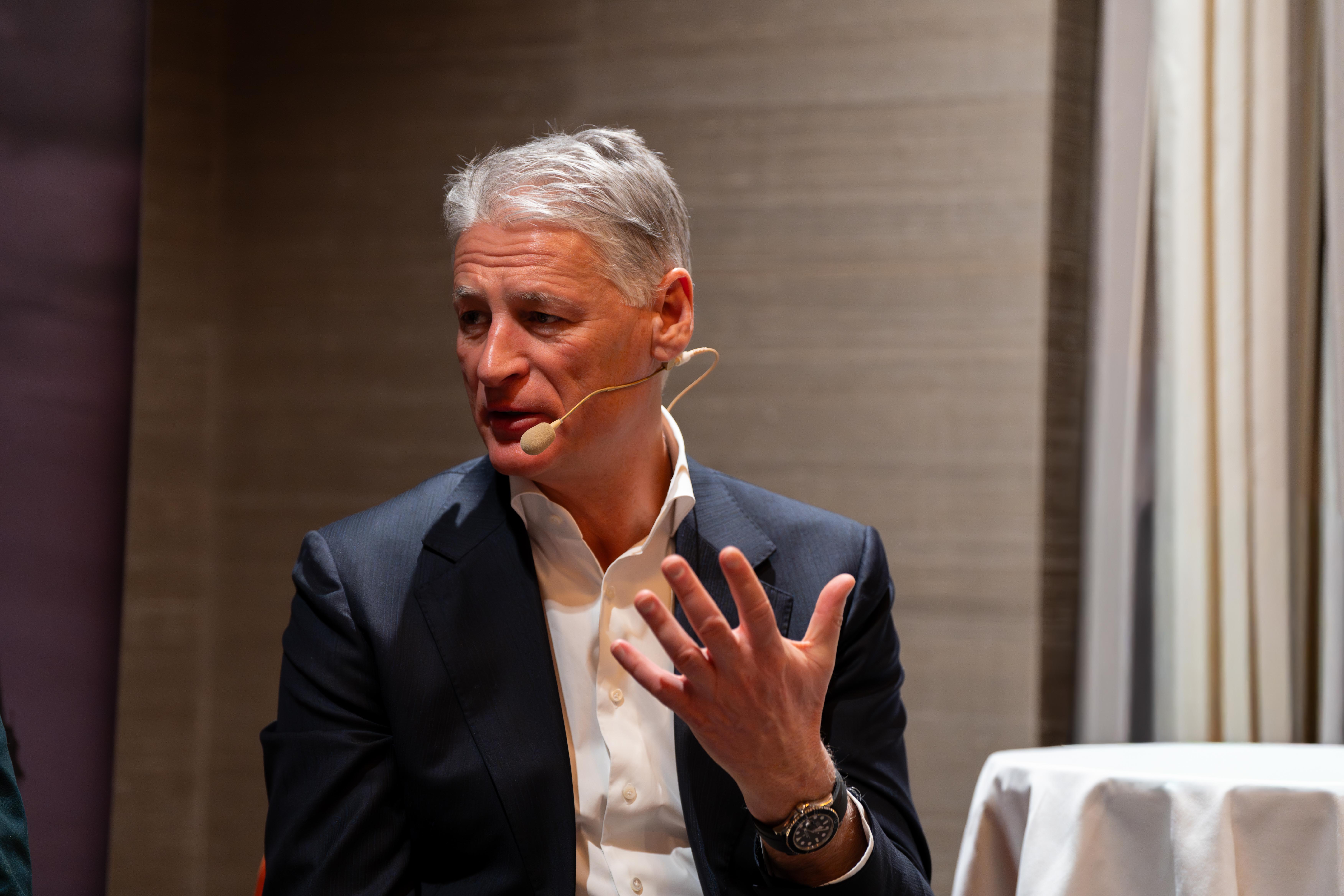
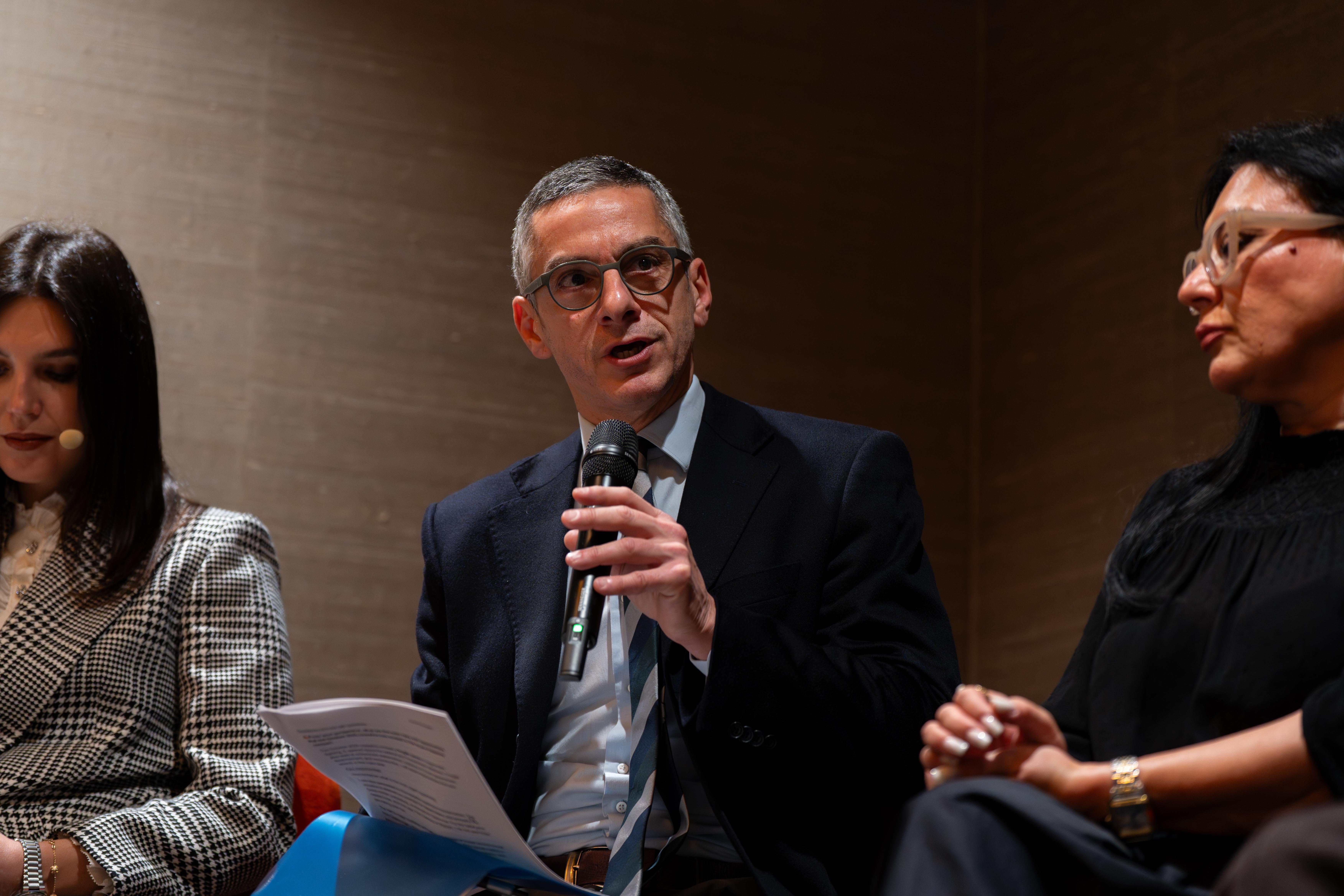
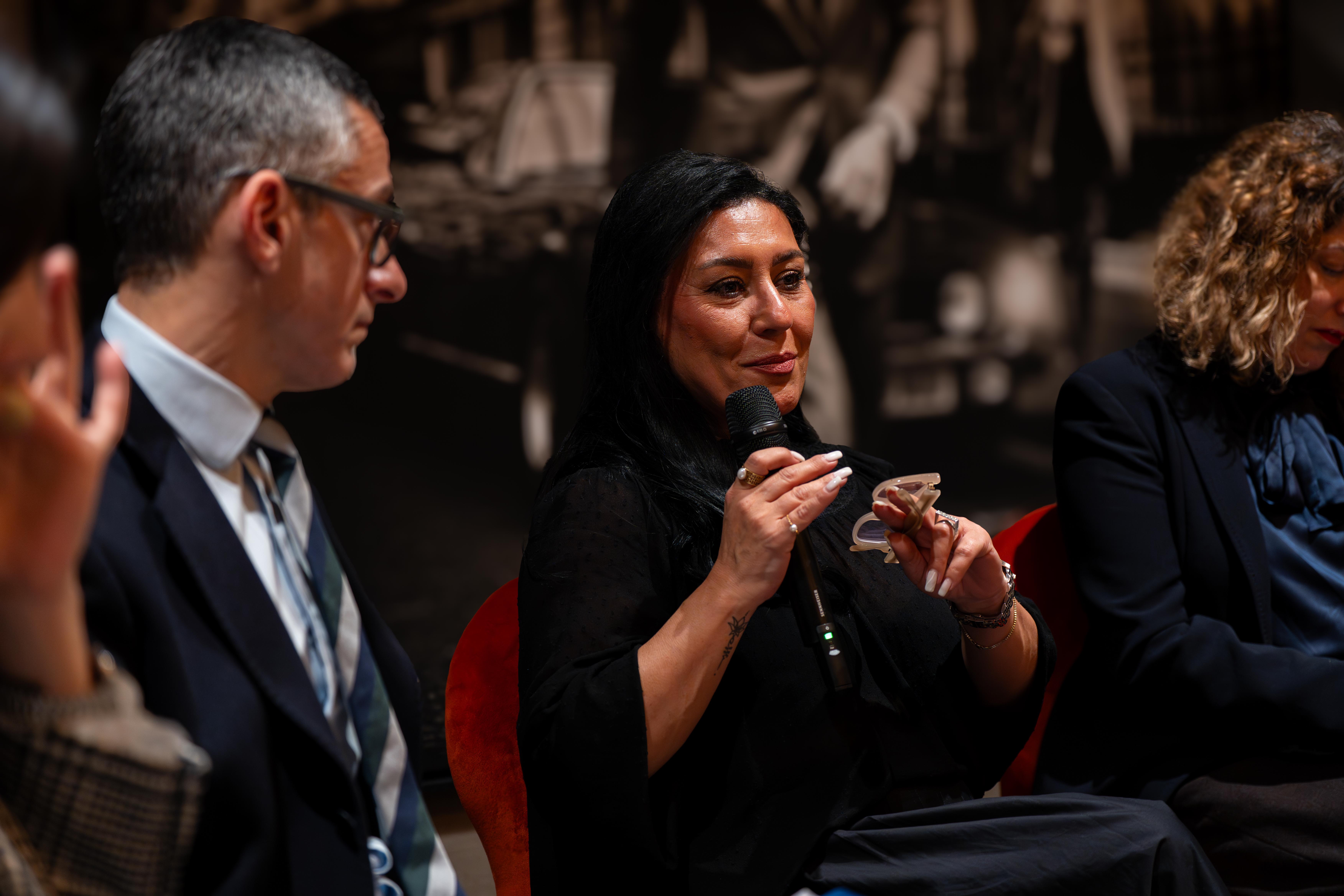
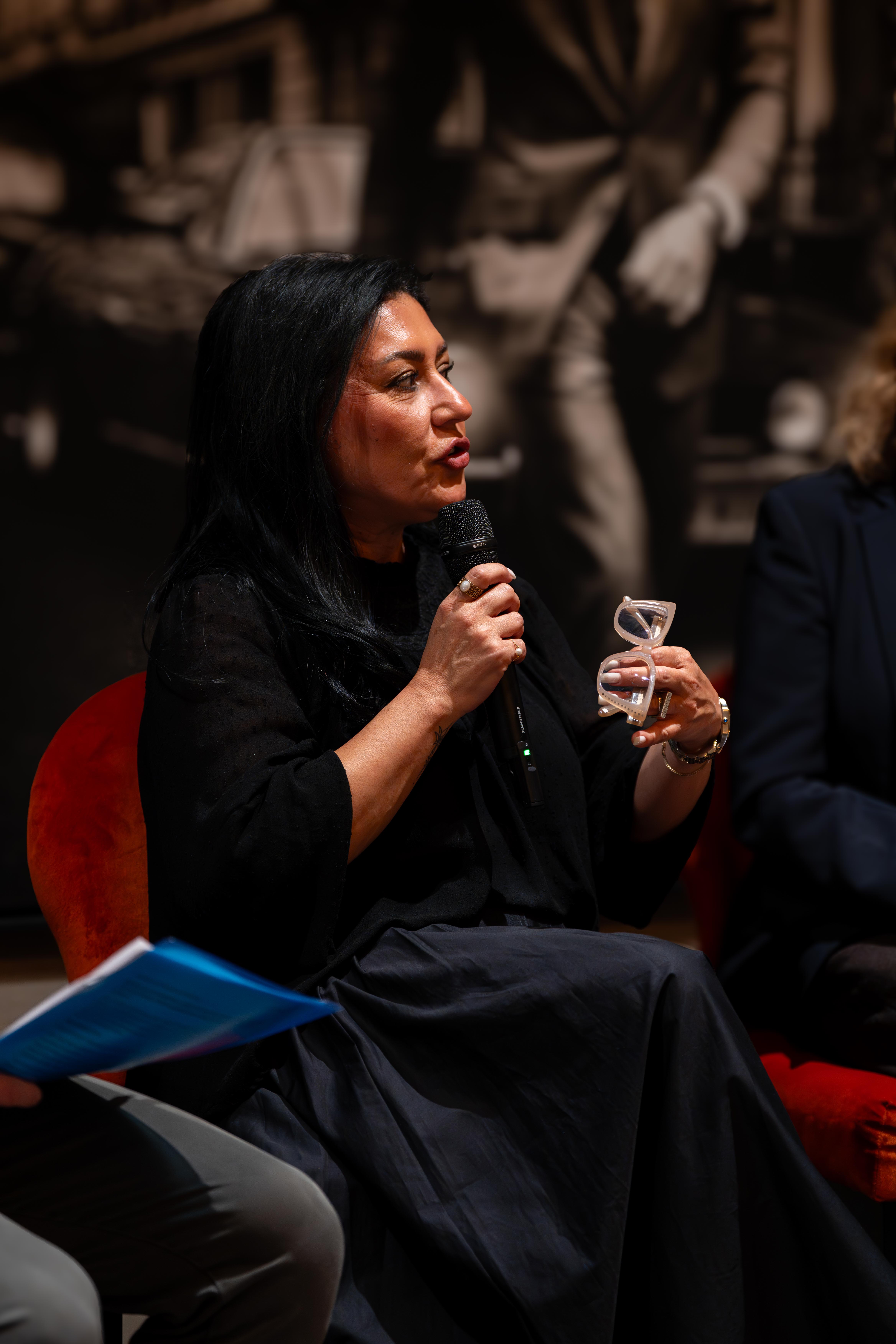
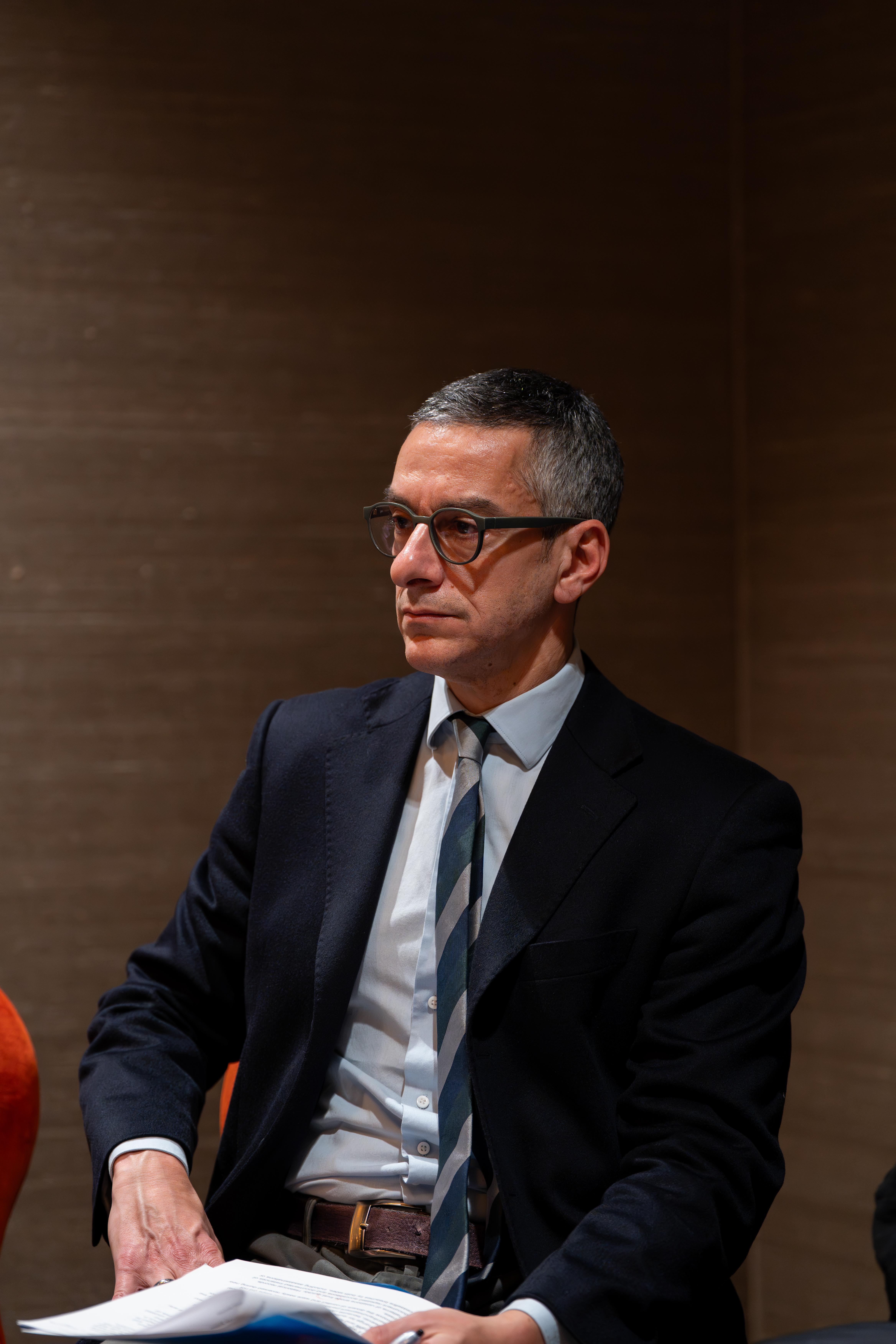
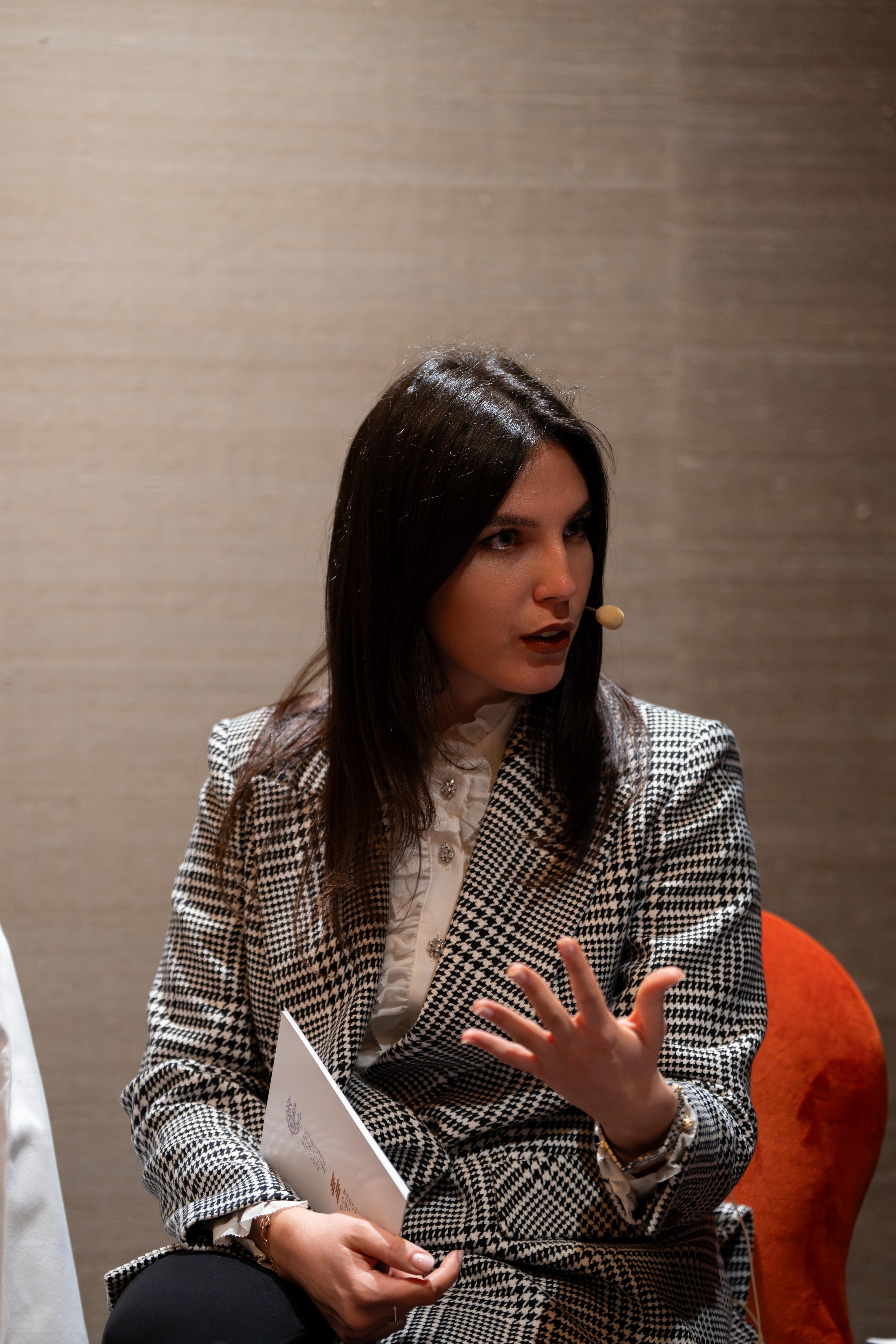
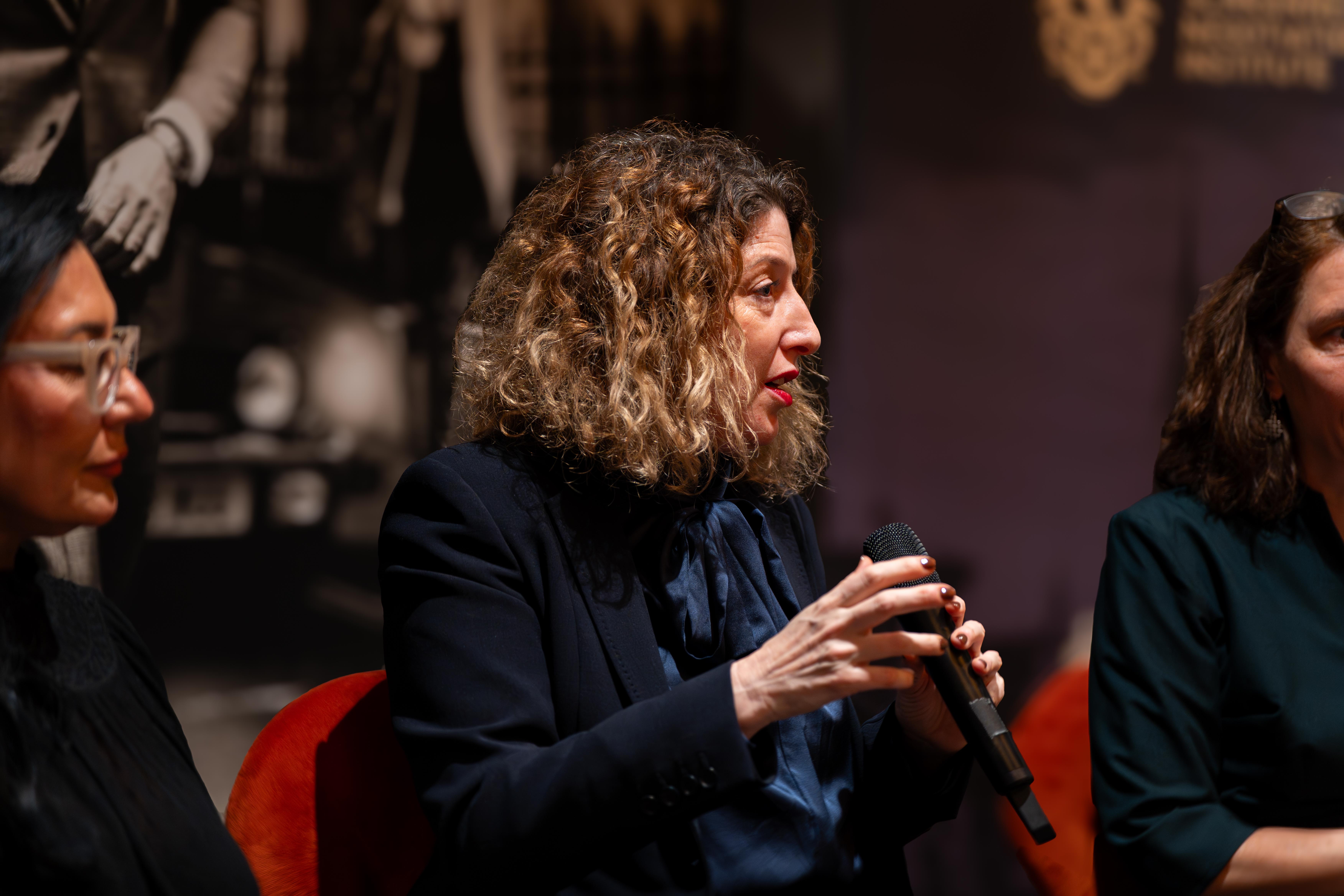
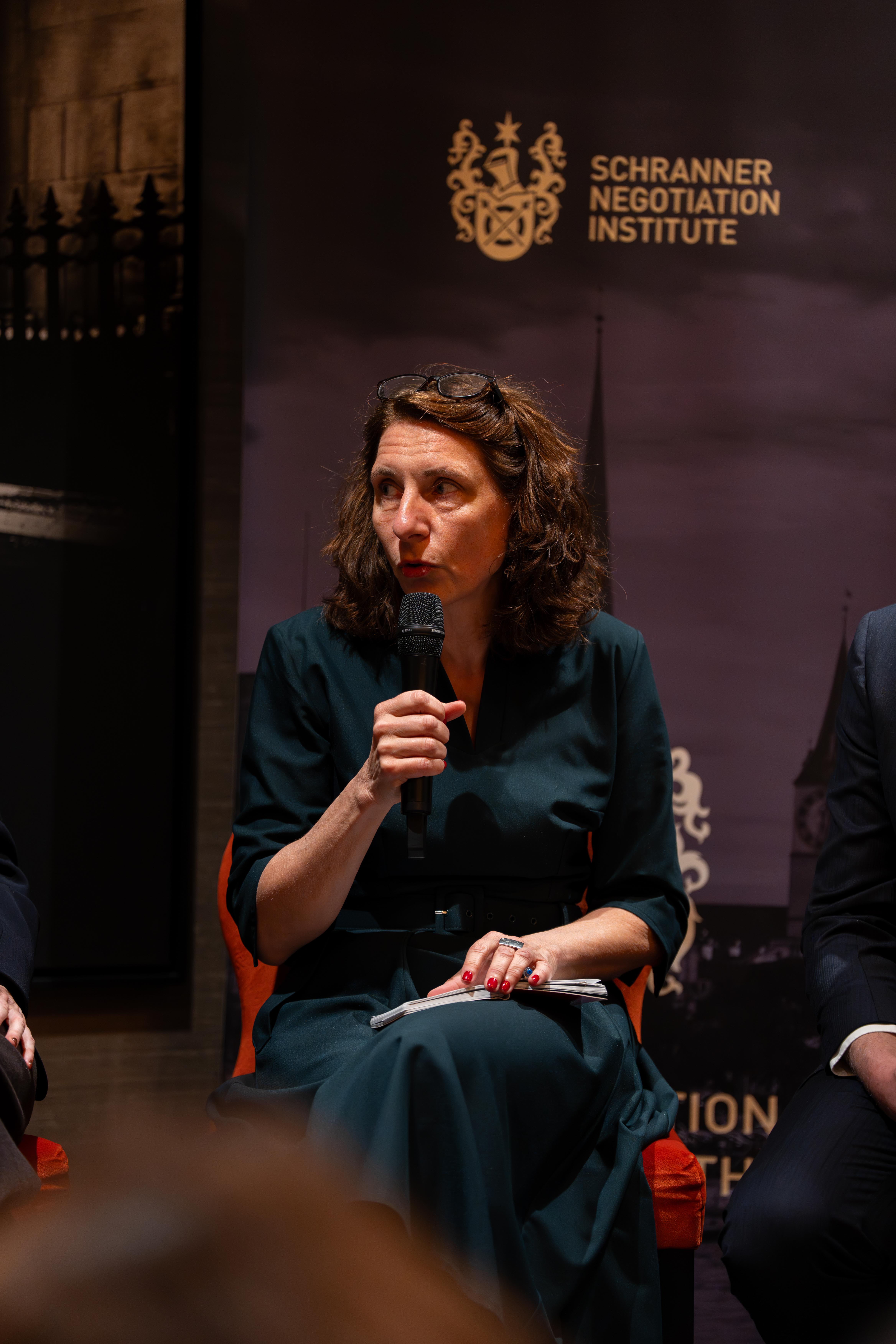
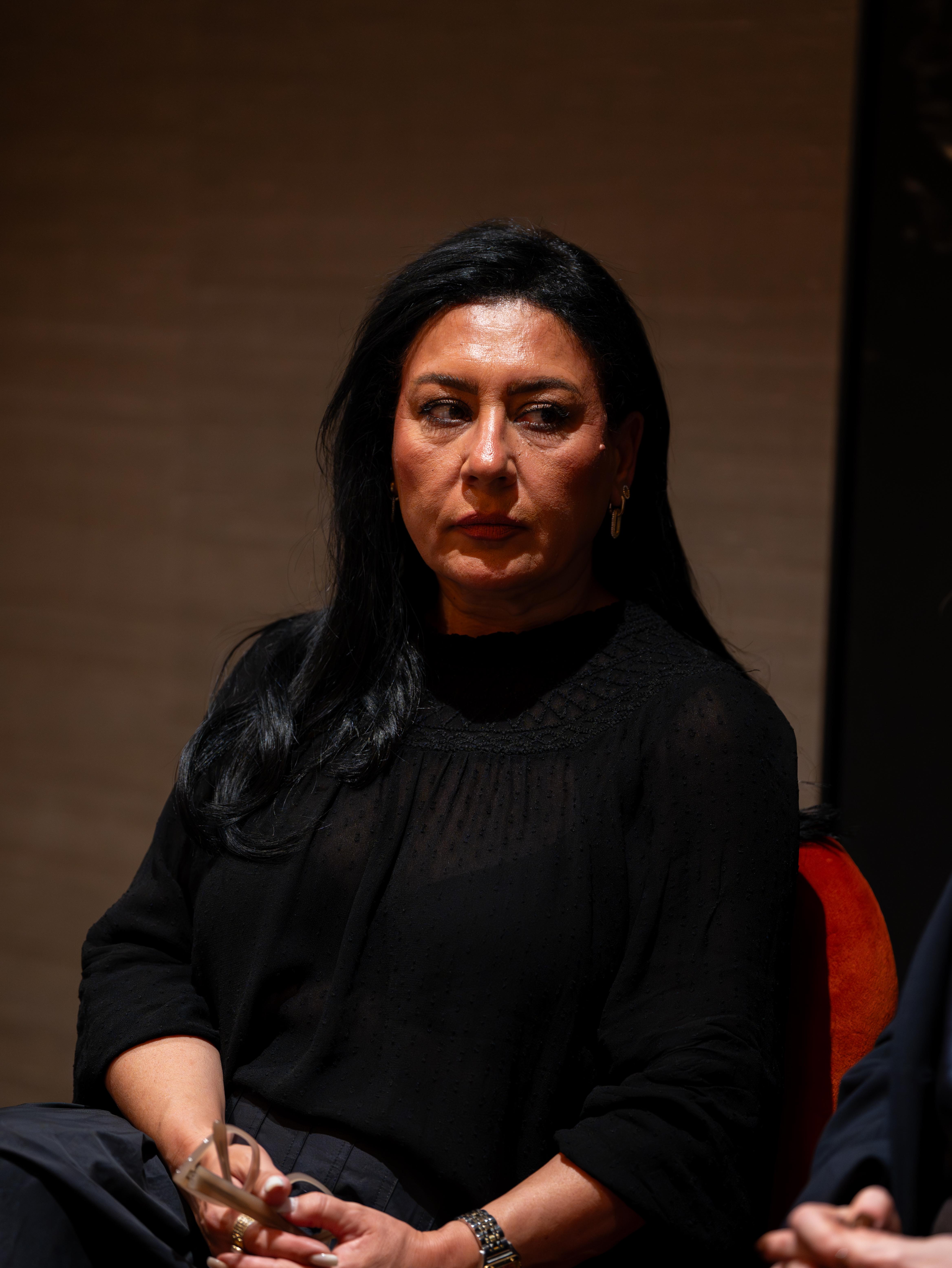
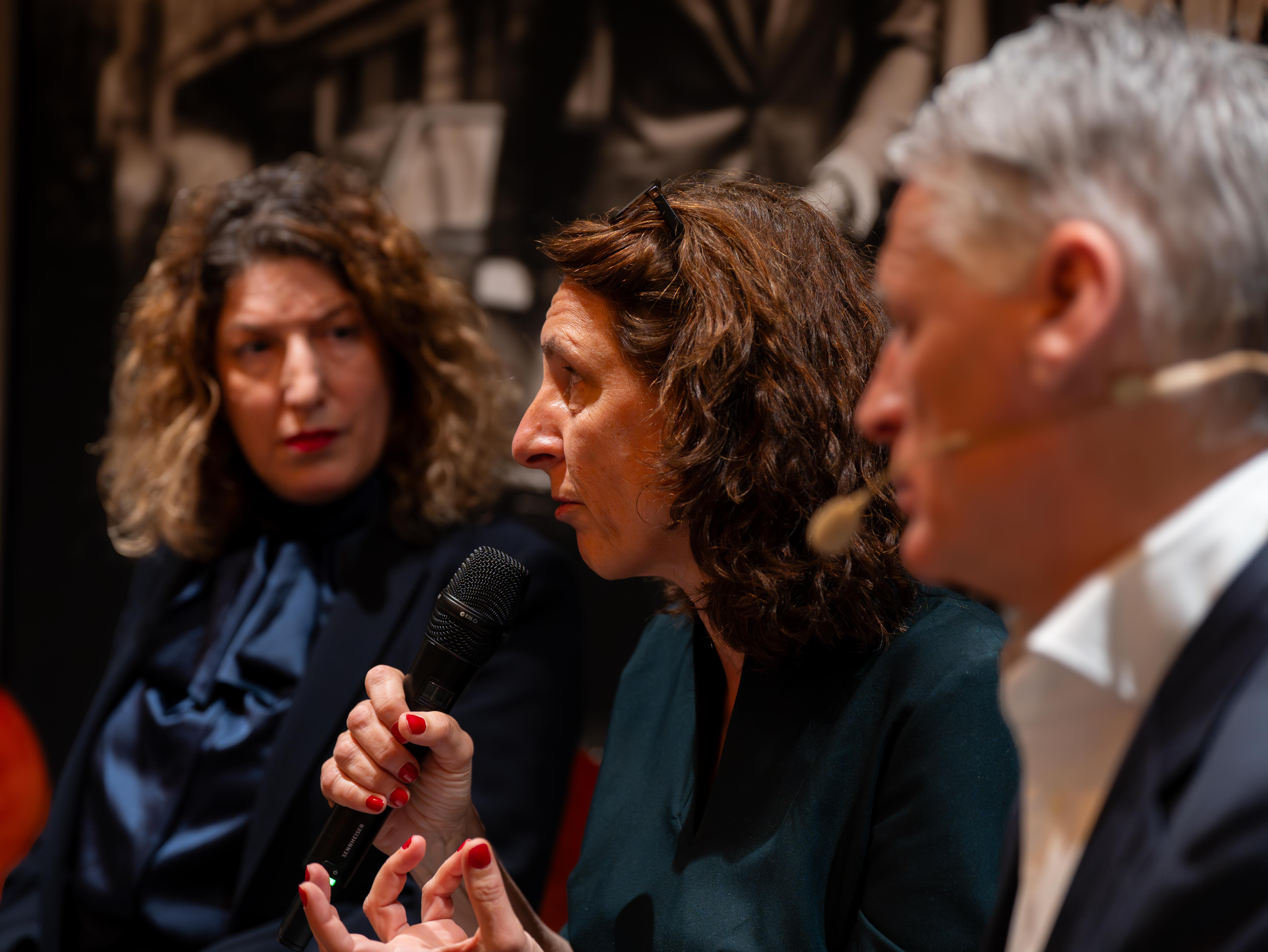
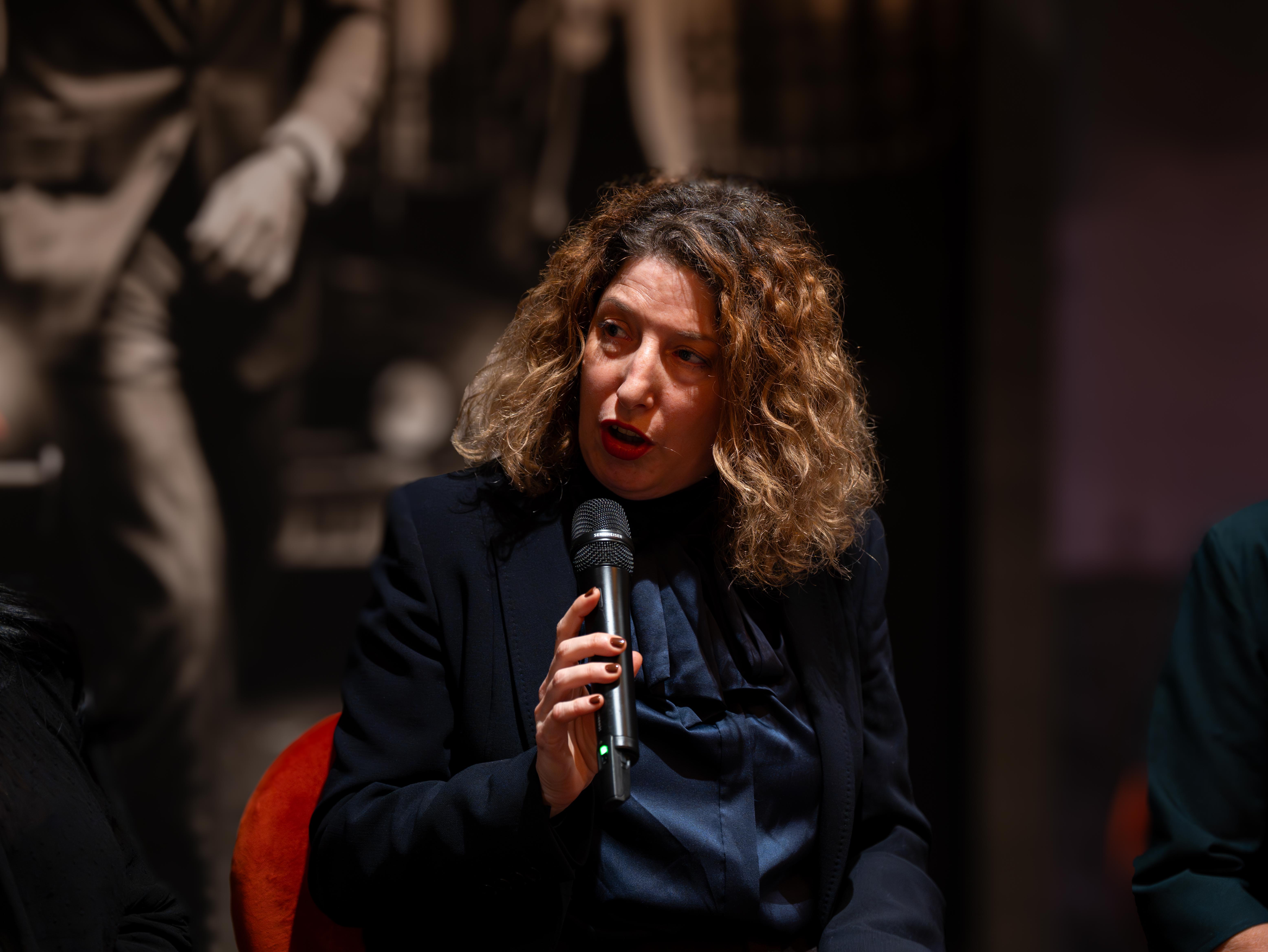
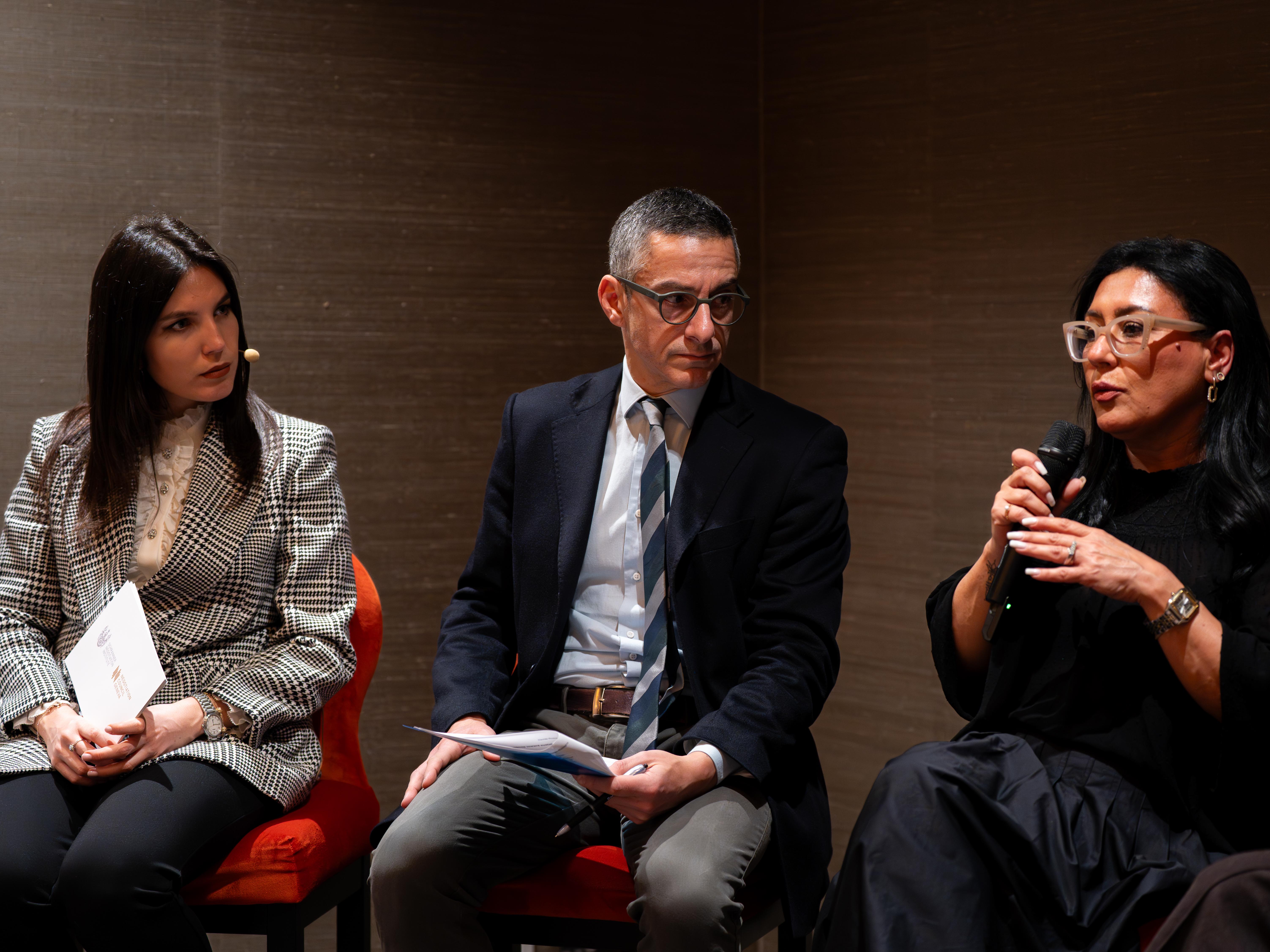
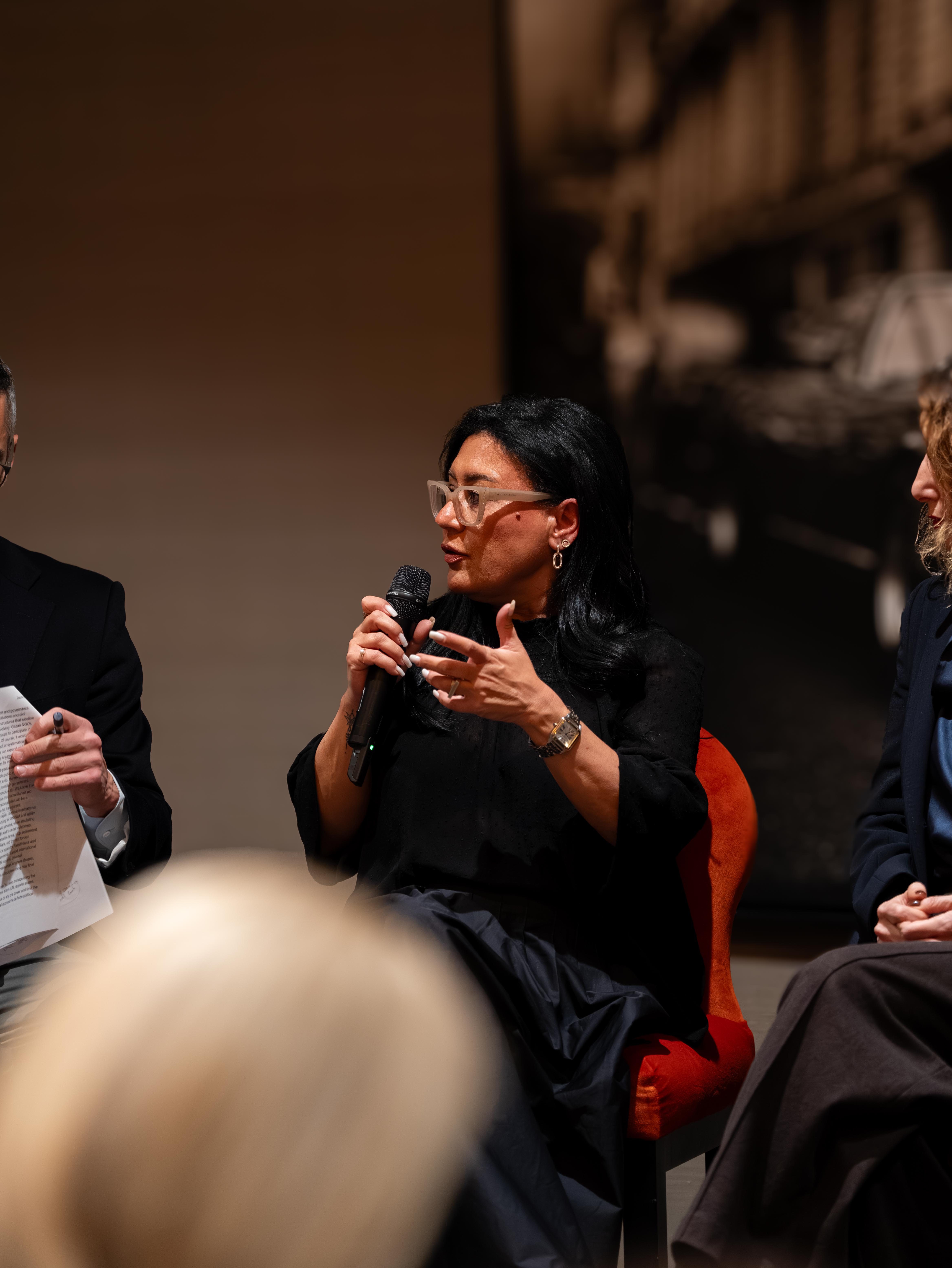
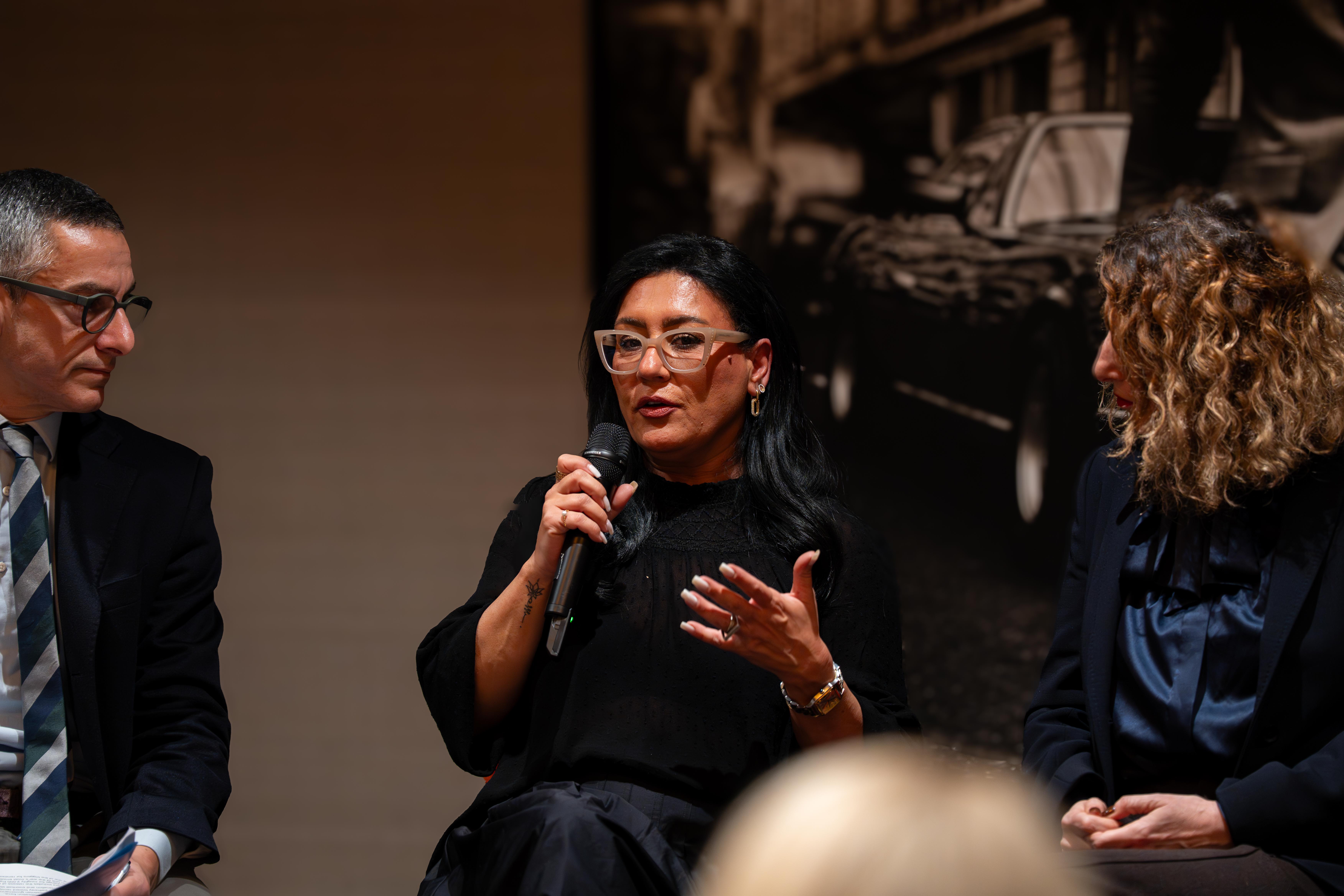
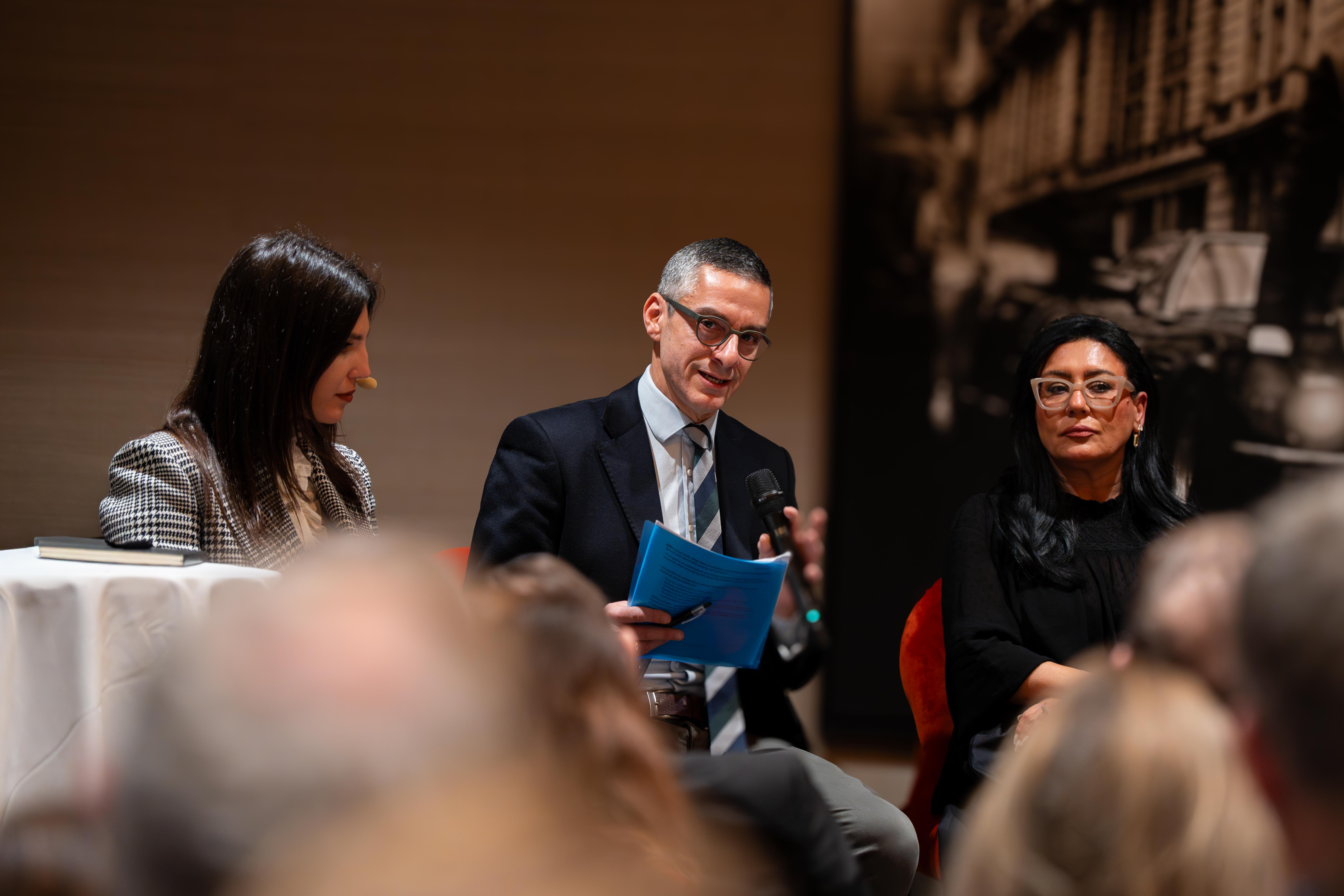
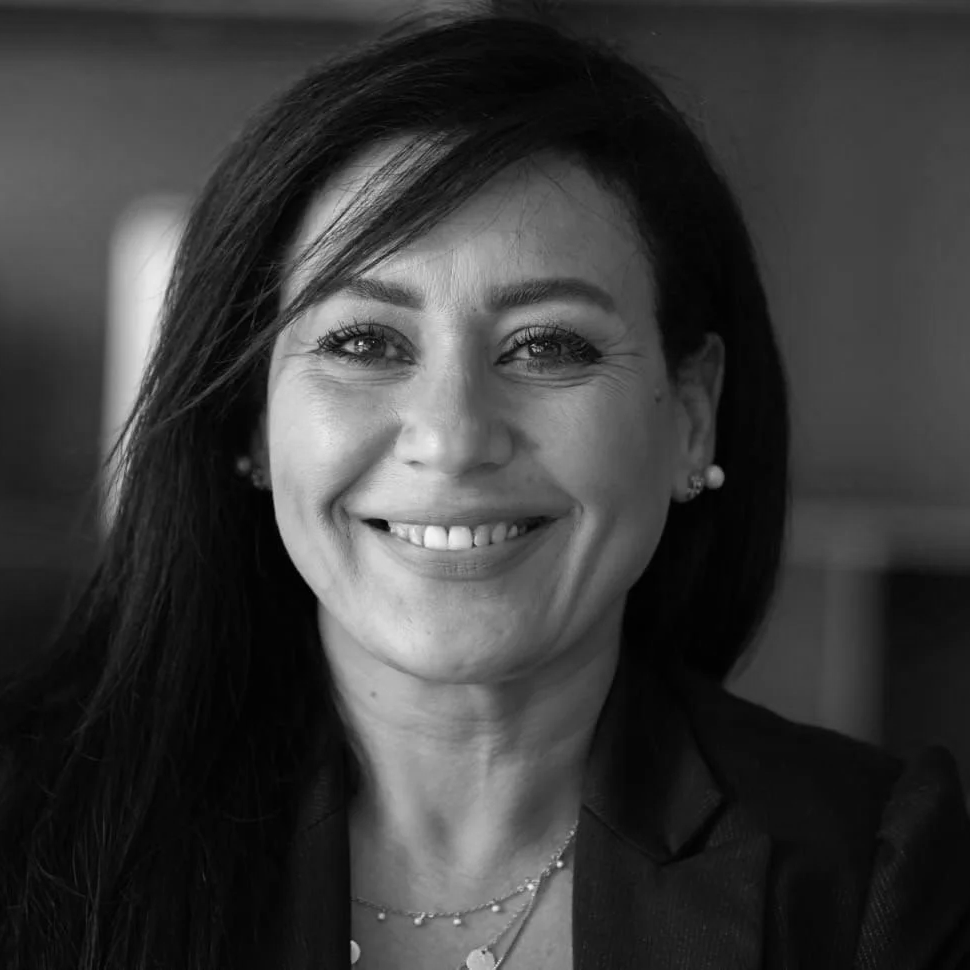
The panel brought together distinguished experts and practitioners, including Dr. Gal Harmat, Senior Fellow at Swisspeace; Dr. Rula Hardal, Co-CEO of A Land For All; Ambassador Deike Potzel, Head of the European Union Delegation to the United Nations in Geneva; Prof. Davide Rodogno, Head of Interdisciplinary Programmes at the Graduate Institute of International and Development Studies; and Matthias Schranner, CEO of the Schranner Negotiation Institute.
The discussion among our panelists focused on the risks and opportunities that emerge once a ceasefire is in place. While the October 2025 ceasefire has reduced immediate violence and opened space for humanitarian relief, speakers underscored that ceasefires are inherently fragile instruments. Among the key risks identified was the insufficient inclusion of Palestinian voices in shaping the political horizon that follows the ceasefire. Without meaningful participation of those directly affected, any transition risks lacking legitimacy and sustainability.
Focus on Inclusivity
Inclusivity emerged as a central pillar of sustainable peacebuilding. The panel emphasized the importance of meaningful representation, including women and diverse Palestinian constituencies, in designing and legitimizing any future political process. Inclusion was framed not merely as a normative aspiration, but as a strategic necessity: processes that reflect the plurality of affected communities are more likely to generate trust, resilience, and long-term implementation capacity.
The Role of International Actors
Participants also explored how current international dynamics may either facilitate or obstruct progress. Shifting regional alliances, global polarization, and evolving multilateral engagement all shape the environment in which negotiations unfold. A central question concerned the realistic role of international actors, including the European Union, the United States, and regional stakeholders such as Egypt, Qatar, and Saudi Arabia. The discussion underscored that while external actors can provide guarantees, incentives, monitoring mechanisms, and diplomatic backing, durable solutions cannot be externally engineered. Sustainable peace requires ownership by the parties themselves, with international actors acting as facilitators rather than architects of imposed outcomes.
The Role of Diplomacy
In this context, the panel reflected on the role of diplomacy itself, referencing recent remarks at the Munich Security Conference questioning whether, in a “perfect world”, diplomats alone can resolve such conflicts. This prompted a deeper exchange: if the traditional diplomatic toolbox is insufficient, what must be re-imagined? Should diplomats simply continue operating within existing paradigms, or is there a need to rethink formats, actors, and frameworks of engagement?
Daring to Imagine
The discussion emphasized the importance of political imagination. Moving from ceasefire to peace demands more than technical negotiation; it requires the courage to challenge entrenched paradigms and to explore creative institutional and governance models capable of accommodating complexity rather than suppressing it. Political imagination, combined with sustained engagement and carefully designed transitional steps, was identified as essential to transforming a fragile pause in violence into a credible political horizon.
Possible Solutions
A significant part of the exchange was devoted to the two-state framework and to innovative proposals. The conversation moved beyond traditional territorial debates to address the deeper issue of dual narratives. Lasting peace requires not only agreement on borders and governance structures, but also mutual recognition of historical experiences, trauma, and identity. In this regard, participants drew lessons from previous ceasefires in the region and other protracted conflicts worldwide. They reflected on the delicate balance between acknowledging past grievances and avoiding political paralysis: how can negotiators recognize injustice and suffering without becoming trapped by the past?
Key-Takeaways
The key lesson from the event is clear: a ceasefire creates opportunity, but opportunity alone does not guarantee transformation. To move from a fragile pause in violence to lasting peace, stakeholders must link security stabilization to a credible and inclusive political pathway, acknowledge dual narratives, ensure meaningful representation, and cultivate the imagination necessary to design arrangements capable of breaking cycles of protracted conflict.